A Childless Holiday Can Be Anything You Want it to Be

There was a moment Christmas Eve when I looked out from my seat in the choir at the beautiful families in church and wanted to weep. I don’t have that. I will never have that. I will never be the mom surrounded by children and grandchildren with her handsome husband by her side.

But I was not alone. I was with our eight-person choir, who feel like family, and I had songs to sing and play, with solos to perform. I had to pull it together, even if I was just going through the motions. I admit that I visited the liquor cabinet after Mass and toasted my late husband with a bit of Cointreau, a French liqueur he left behind.

Christmas day dawned gray and rainy, but I felt better. I sat beside my Christmas tree and opened the presents I had not already opened the day before—who’s to tell me when to open my gifts?

The ones from family felt as if they didn’t really know me, but I had another Mass to play music for, so I didn’t dwell on it. I made myself a breakfast of fresh strawberries, a homemade muffin, and tea and dressed for Christmas Day Mass. Instead of Christmas Eve’s long skirt that was constantly in my way, I wore black slacks, a green shirt, and a sparkly vest—I was comfortable and festive.

I look back on my Christmas day in brightly colored mental snapshots and feel blessed.

At church, I played the piano. We sang carols and solos before Mass, and my song went as well as it possibly could. The church sparkled with red flowers and people in their holiday clothes. I love our small white church by the sea and all the people in it.

After Mass, I dashed home for lunch—a meat loaf sandwich, my favorite. I played a CD of Handel’s “Messiah” while making my salad for dinner with friends. I talked for a long time on the phone with my best friend in California, then drove 45 minutes up the coast to pick up Orpha, a friend, from her senior residence. Childless and widowed like me, she is still gorgeous in her 80s, and fun. We laughed and talked until we arrived at our friends’ house. There, it was a riot of gift wrappings, food, cookies, wine, and yes, kids, two teens and a little one. After their biological kids grew up, our hosts became foster parents. They specialize in teens with gender identity issues.

Most years, I spend at least one of the holidays there, and it always feels like home. It feels like family—no, it feels better than family because all of the people there have been chosen. My friends have collected me and Orpha, the two men who share a house across the street, their own children, their foster children, and their dogs and cats. It’s loud, crazy and wonderful, and I don’t feel a lack of anything.

Shortly after darkness fell, we oldies headed home. I traded my church/party clothes for soft PJs and settled in to watch the new Meg Ryan movie on Amazon Prime.

The doorbell rang. I paused the movie. My young neighbors and their friends sang “We Wish You a Merry Christmas” in perfect harmony, just for me. They all hugged me, and they gave me cookies, a giant candy cane, and a big beautiful photo taken in the location of my novel Up Beaver Creek. So sweet.

My brother’s family, whom I miss a lot, was having a more traditional Christmas with the kids and grandkids. My best friend was at her adult daughter’s home, but they weren’t getting along and she had a stomachache. Not all family holidays are joyful. If I were with family, I might have felt the lack of my own children and my late husband more deeply. It comes and goes. I have losses to grieve, but at the same time I have so much freedom and so much love in my life.

There is life beyond childlessness. It can be beautiful. You do need to reach out to other people and let them reach out to you. If you close the door and wallow in your loneliness, well, you will be lonely.

How did your holiday go? I’d love to hear the good, bad and ugly. Did you feel sad about not having children or relieved? Did you do anything a standard family might not have done? One couple I know went to Cabo. Why not?

A few days ago, when I was feeling creative, I wrote a new Christmas song. Click here if you’d like to hear it. Let me know if the link doesn’t work.

Next weekend is the New Year’s holiday. What will you do differently next year?

Thank you all for being here. I treasure your comments.

Photo by Nick Collins on Pexels.com

Processing…
Success! You're on the list.

Who Do You See as Your Childless Role Models?

Image is a poster for a panel discussion on "The power of role models" by Gateway Women and the Nomocrones. It lists the participants' names over a picture of a campfire with hills and a sunset in the background.

A role model is a person whose behavior in a particular role is imitated by others, says the Merriam Webster dictionary.

Who are your role models? Who do you want to be like when you grow up?

Back when we were children playing with dolls and various imaginative games, we might have pictured ourselves living the same lives as our parents. Or not. My mom was a housewife, but somehow my older dolls, Barbie and such, were always in show business. There was always a stage waiting for them to sing and dance. Think Doris Day way back then, maybe Taylor Swift now.

That life had nothing to do with having children. I didn’t even think about it. Did you?

Now that we are grownups, whose life do we want to imitate? I ask because the Childless Elderwomen will be discussing our role models next Wednesday, Dec. 20, on Zoom, and I’m not sure yet what I want to say.

A role model demonstrates a role that you hope to play. Literally, if you are an actor. Likewise, if you are a painter, you might try to copy their techniques. A dancer might employ their moves, or a singer might mimic their sounds. Writers like me are always being asked about our role models. I could list them, but in many cases I don’t know if they ever had children. Does it matter?

In religion, one might try to follow the example of a holy person. For example, the Catholic Church celebrates all the many virgin martyrs who gave their lives to God, not to mention all the priests, bishops and popes who lived celibate lives (let’s not get into the whole abuse thing).

Most of us are aware of the usual famous non-moms: Dolly Parton, Oprah Winfrey, Helen Mirren, Jennifer Anniston, Gloria Steinem, Kim Cattrall, Mother Teresa, Emily Dickinson . . .

You can find plenty of interviews with celebrities talking about their “infertility journeys,” most of which ended up with a baby via IVF or surrogacy. But as usual, nobody is talking about not having children because your partner is unable or unwilling. I’d like to read the stories of people who have done that.

Do we have role models who are not famous?

Most of our parents and grandparents modeled one way of life: the one where everything revolves around the family. You work hard, buy a house, raise your kids, enjoy your grandkids, and grow old. But there are others who don’t follow that pattern. My Aunt Edna never had children, and her husband died young. She did office work and volunteered at her church for many years, then traveled all over the world with her sister Virginia, who was also single and childless. Edna died at 100, Virginia at 101. Other childless women in my life have included my favorite journalism professor, my step-grandmother, and friends I met through my husband’s work. All lived active lives and seemed content. They never talked about their childlessness. But would I see them as role models? Not really. We were very different in most ways.

Thank God some people in the childless community, including Jody Day, Stephanie Phillips, Michael Hughes, and Katy Seppi, openly discuss their childless status and offer support to others. They can be role models, at least for this aspect of our lives. I suspect we need different role models for different things, some for career, some for lifestyle, some for our spiritual lives. What do you think?

Who are your childless role models? Whose example do you want to follow in your own life? Is there someone you admire, famous or not, that you try to imitate?

I will be joining the Childless Elderwomen on Dec. 20 to discuss our role models. Join us on Zoom. It’s totally anonymous. To get the link, register here.

Read more about this: https://www.thecut.com/2014/08/25-famous-women-on-childlessness.html–most of these active women chose the childfree life.

Processing…
Success! You're on the list.

Once Again, They Assume Everyone has Children

Black cat with gold eyes sitting in a flowerpot among purple flowers that might be lavender. Background is blurred, shades of tan and green.

The workshop leader was talking about reasons to publish a poetry book. First on her list: It’s something to show your grandchildren.

Once again, it was assumed we all have or will have grandchildren. Not me. Maybe not you. The only one I have had around to show anything lately was a cat.

I was collecting my trash a few days ago when a black Persian cat came out of the woods and seemed to want to be my friend. As he swished back and forth across my legs, I gave him the tour: This is my garage. This is my car. This is my back yard. He said, “Meow” and kept following me.

The cat was beautiful, but I’m allergic, and he was too healthy to not be someone’s pet, so I didn’t let him into the house even though I was dying for someone to talk to, someone who could see my home and appreciate everything in it, including my books.

It can get lonely out here. People always assume we have kids if we’re a certain age. They also assume those kids will be around all the time, which is not true for many families. Just like everyone assumes we’ll be right-handed and some of us, like me, are not.

When this poet I admire said that at the workshop, did I pop in and say, “Hey some of us don’t have grandchildren?” No. She wasn’t taking comments or questions at that point, and it was not related to what we were talking about. She didn’t mean to offend. She offered other reasons to write a book, including having something to say and wanting to share it, maybe wanting to help, entertain, or inform. You don’t need children or grandchildren for any of that. In fact, I would bet most writers’ families aren’t that interested in their books. I know that’s true of mine. Some of them don’t even know I write.

But there are a lot of things besides books we might want to share with our children and grandchildren: family history and photographs, art, crafts, recipes, our religious faith, our vision of right and wrong, our favorite music, or movies we love. So many things.

We can work or volunteer with kids, reach out to other children in the family or among our friends. We can do all the stuff well-meaning people suggest, but it is not the same, at least not for me.

As always, I have questions:

  • What should we do in a situation where someone assumes we all have children? Should we speak up and make a “thing” of it or let it go? Take them aside later and say, “You know, I don’t have children or grandchildren? What is the best way to handle this?
  • What would you like to show your grandchildren if you could? Is there someone else you can share it with instead?
  • Met any great cats lately?

Photo by Katarzyna Modrzejewska on Pexels.com

***

I hope you had a peaceful Thanksgiving. I ended up with friends from church whom I didn’t know well and several other people I didn’t know at all, but we had a good time. They all had grown children but were not with them on that day for various reasons. They mentioned them briefly but didn’t dwell on it. The subject of my childlessness never came up. We talked about other things. How about you? Was it a day of gritting teeth or lots of fun?

***

The Childless Collective Summit starts Saturday. All online, it offers four days of workshops, talks, and information for those who don’t have children. Attendance is FREE, although you can purchase a pass to watch the recordings at your leisure. Click here for information.

Processing…
Success! You're on the list.

Does Having Stepchildren Cure the Holiday Childless Blues?

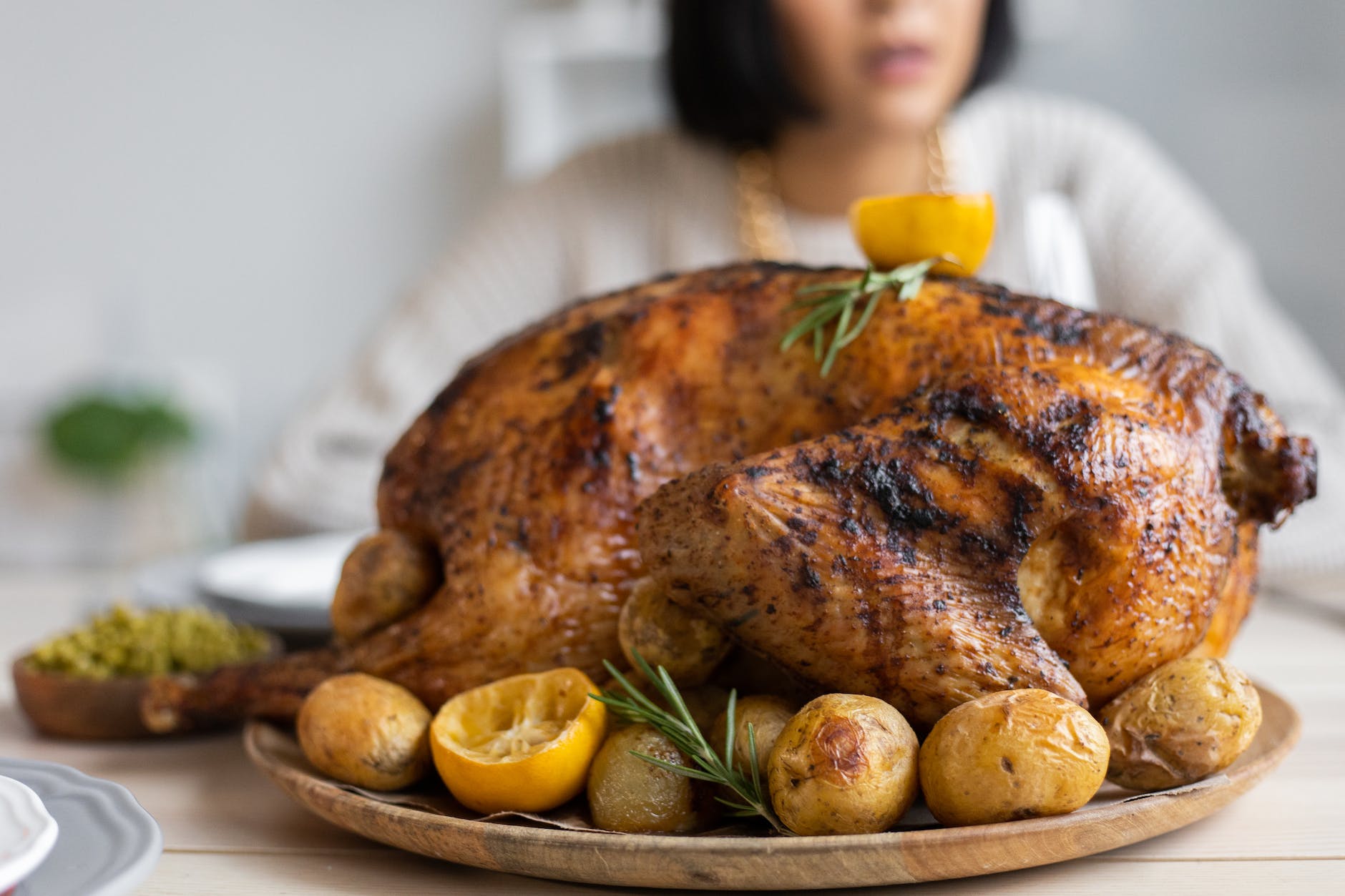
In the foreground is a massive roasted turkey surrounded by potatoes and lemons. In the background, a bowl of grapes and a dark-haired woman in a white sweater. The woman seems uneasy.

If your partner has children, does that mean you are not childless? Some people would think so, but do you? 

Thanksgiving is coming, which means you may be gathering with family and friends you don’t see often. You may find yourself sitting at the table with multiple generations, including parents with young children and parents with grown children, and they may all be wondering when you are going to add your own offspring to the family tree. They may ask awkward questions that make you wish you had stayed home. Your partner may or may not be any help. 

But if you bring stepchildren, will that make you a mom or dad just like everyone else? What if the kids are with their other parent this year? Will showing photos and talking about them be enough?

As usual, I’m full of questions. I started thinking about these things after listening to Sheri Johnson’s Awakening Worth in Childless Women Nov. 6 podcast. She interviewed Gail Miller, who is a life coach, a maternal fetal medicine physician, and a stepmother. Like me, Miller married a man who already had three children. 

Miller raised some points that rang a lot of bells in my head. Her husband assumed she wouldn’t need to have children of her own because his kids would be her kids. “WE have kids,” he said. Like me, she didn’t argue with that when they first got together.

It was a long time, Miller said, before he understood that she was still grieving the loss of the children she might have had. He was sympathetic, but it was too late for her to have a baby.

When I married Fred, who also had three children from his first marriage, my family stopped asking when I was going to have a baby. I didn’t need to. Here are our kids, one, two, three. Sure, they didn’t look anything like me, and they spent most of their time living elsewhere, but check the box, kids, done. 

I didn’t feel that way. I still wanted my own. I moped, whined, and got angry, especially on Mother’s Day, when the kids were off honoring their bio mom while my friends were insisting I was a mother just like them. Um, no. 

Did Fred understand? Sometimes. I think he felt guilty, but that didn’t make me feel better.

Miller said people assume you will mother your stepchildren like your own, but these kids are not yours, and you don’t have the same rights. Your partner, not wanting to be the bad guy, may not back you up. Nor will the children’s biological parent. The kids can very logically respond, “You’re not my mother” or “You’re not my father.” You might back off to maintain peace. You might put up with bad behavior because you’re trying so hard to make a family and to get these kids to love you. 

Meanwhile, the kids are torn. They don’t want to be disloyal to the parent who is not there. How can they love you when they already have another mom or dad? If they’re with you, what are they missing at their other home? 

Step-parenting is difficult year-round, but the holidays bring added stress. How do you manage it? 

Miller offers some tips: 

  • You can choose to skip the traditional family Thanksgiving. Stay home. But consider whether the repercussions from not going would be worse. 
  • You can tell the hosts in advance that you do not want to talk about your childlessness. 
  • You don’t have to answer nosy questions. You can respond, “That’s personal. I don’t want to talk about it.” 

A few of my own:

  • Be honest with your partner about your feelings and ask them to back you up.
  • If your stepchildren aren’t there and people keep talking about their kids, feel free to whip out some photos and brag a little.
  • If you do bring your stepchildren, talk about it with them in advance. These people may be your family, but they are strangers to them. Explain who will be there and how they should be addressed–“Aunt,” “Grandma,” “Mr. Thompson,” etc. 
  • Don’t worry too much about them embarrassing you. All kids embarrass their parents.
  • Don’t obsess on your lack of children. As Miller said, being childless is just part of her world, not the whole thing. 
  • Don’t expect the worst. It’s quite possible everyone will focus on food and football and no one will say a word about having or not having children. Try to enjoy the day and be grateful for whatever happens.

What do you think about all this? Do you have stepchildren? Do they fill your need for children or make you want kids of your own even more? What are your plans for the holidays? Do you have advice?  Please comment. 

To listen to the whole one-hour podcast, click here.

You can find Gail Miller on Instagram: @childlesspathonward

Visit Sheri Johnson’s website

Photo by Monstera Production on Pexels.com

Processing…
Success! You're on the list.

Childless Travel Robert Frost’s ‘Road Less Traveled By’

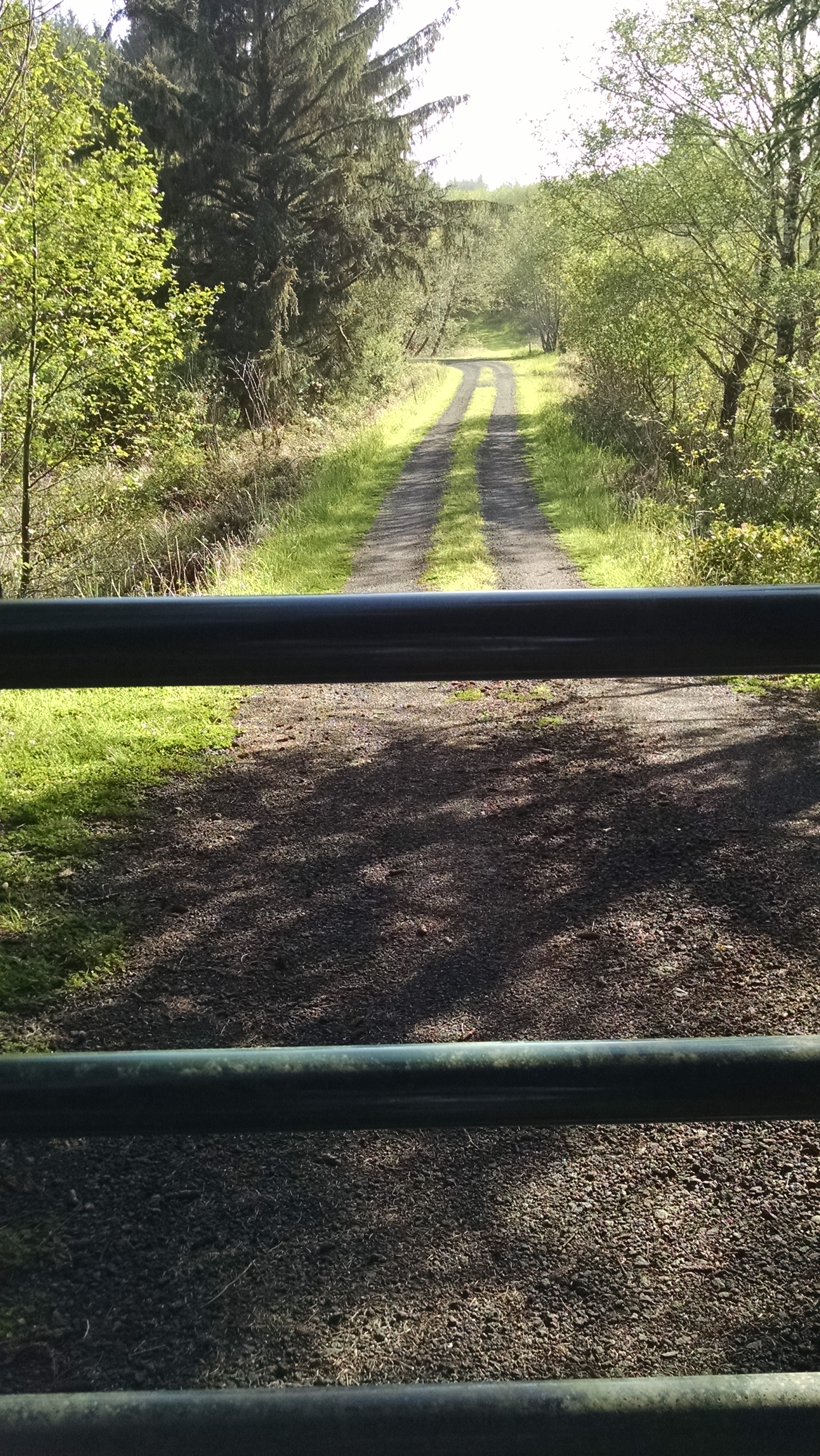
Metal gate in foreground blocks access to rutted road surrounded by trees going off into the distance.

Yesterday was Halloween. I imagine it was a busy day for people with children. Moms and dads would be dealing with costumes, candy, parties and trick-or-treating while their excited kids drove them crazy. Me, I put on my orange sweatshirt and pumpkin earrings and settled in for an ordinary day. I have no children, and we don’t get trick-or-treaters out here in the woods.

Halloween is just one example of how parents and non-parents live in different worlds. The differences are small at first, but they grow exponentially over the years.

We all start out as young people whose lives revolve around family, school, hobbies, friends, sports, jobs, and maybe church. But we grow up. We pair off. When your friends, siblings, and cousins have children, suddenly their lives revolve around their offspring because the little ones need constant attention. Hobbies, social life, and friends fall away.

Meanwhile, you’re still busy with school, work, hobbies, and relationships. Instead of caring for children, maybe you travel, build or remodel a house, or study for a master’s degree or PhD. You try to socialize with your old friends, but they’re busy with their kids. They have new friends, friends who are also parents.

You get older. At your high school reunions, the others talk about their children and grandchildren. They brag about their kids’ marriages and their jobs and commiserate about their problems. You talk about your work, hobbies, and travel. All you have in common is fading memories of your school days and worries about your aging parents.

In old age, your parents are gone. No younger generation is coming up behind you. Your family is shrinking. Your parent friends send Christmas cards filled with news about their growing tribe of children, grandchildren, and great-grandchildren. You send a photo of your dog or cat. If you meet these friends at a reunion or a funeral, you have nothing to talk about.

Yes, there comes a time when the kids are grown and you can come together with the parent people again, but their family will always be their top priority. At times, you will envy them and grieve for what you have missed. At other times, you will relish the freedom that allows you to be more than “Grandma” or “Nana.” You are still a full-fledged person with your own name and dreams that you are still chasing. Do they envy you? Sometimes I’m sure they do.

You live in different realities now. You can visit, but the bridge between worlds is a shaky one.

If you are still deciding whether or not to have children, consider how your life will take a different path. It’s not necessarily better or worse, but it is different, and the distance between the two ways your life could have gone will get wider and wider.  

Robert Frost’s poem “The Road Not Taken” ends with these lines:

Two roads diverged in a wood, and I--
I took the one less traveled by,
And that has made all the difference.

Have you seen the divide happening in your own life as friends and family become parents and you don’t? What do you think about all this? I welcome your comments.

Photo taken on Thiel Creek Road, South Beach, Oregon, copyright Sue Fagalde Lick 2015

Processing…
Success! You're on the list.

Can a Dog or Cat Take the Place of a Human Baby?

One black puppy, one tan one shown in a crate with blue toys and a rose-colored blanket.

My Annie is gone. A month ago, she made her final visit to the vet, and I held her as she passed on to the next life. She was 15 ½, deaf and arthritic, always in pain, and she had cancer. I had to let her go. I am broken, still grieving hard. This loss compounds with the losses I experienced before: my husband, my mother and father, aunts, uncles, friends, Annie’s brother Chico and Sadie, the dog that came before them.

People talk about childless people adopting “fur babies” as baby substitutes. For me, I always knew it was not the same. Dogs will never grow into adult people who can expand your family over the years with spouses, children, grandchildren and even great-grandchildren. They will not carry on your genes or your name. You can never have a two-way conversation with a pup. Dogs are not children. Neither are cats. But they do fill a hole in the childless life.

Were Chico and Annie, shown in the photo, my baby substitutes? Sort of. They slept in a cage much like a playpen, with little blankets, tiny bowls, squeaky toys, and pee pads. As you may have read in my Childless by Marriage book, my church friends threw us a surprise puppy shower, complete with gifts and cake. The pups, who, at 6 and 7 pounds, were the size of human babies, came at a time when we really shouldn’t have been adding puppies to the challenges we already faced. My husband, Fred, had Alzheimer’s disease, and it was getting pretty bad. He couldn’t handle the dogs.

I was the one dealing with their messes, their chewing, and their need for attention at all hours of day and night. I was the one who took them to obedience classes and the vet. I frequently felt as frazzled as a new mother. But I also felt happy. I knew they were not the same as human babies, but they were fun in the middle of a whole lot of sad.

A year after Fred moved to a nursing home, I had to give Chico, the black dog, away. He kept jumping the fence and running off, frequently going after other people’s pets. By then, he was fully grown, almost two years old. That last day together before I took him to a shelter in Salem, he bit me while I was trying to save another dog from him. I still have a scar on my leg. It broke my heart, but he had to go. He was a dog, not a human being, and he was too much for me.

As Annie aged, she was not my baby anymore. She was a big dog, 75 pounds of love. She was my friend, my sister, and my partner. Perhaps if she were a little dog, it might have been different. I have friends who take their small dogs everywhere, who cuddle them in their laps during Zoom meetings, strap them into their cars when they leave the house, and sleep with them in their beds. Annie was too big for all of that. She was also independent. She liked a good snuggle, but then we each attended to our own business. I liked it that way.

Little dogs are vulnerable, baby-like. People dress them in sweaters and put them in strollers. They talk baby-talk to them. Are they a baby substitute or a breathing version of the dolls we had as kids? Is that crazy or a good thing?

Cats are small, too, the perfect size to cuddle like a baby—if they’ll let you. My neighbor cuddles her chickens. You can love all animals, but do they make up for not having children?

Whatever their size, a pet gives you another name to sign on your Christmas cards, someone to talk about and take pictures of, someone to walk with, eat with, and yes, sleep with. Someone to say good night and good morning to. Someone to notice if you cry and someone who misses you when you go away.

My writer friends on Zoom grew used to seeing Annie in our meetings. I wove Annie into all of my writing. In my bios, I called myself a writer/musician/dog mom. Am I still a “dog mom” if my “baby” has moved on? I am still drawn to dogs the way other women are drawn to babies.

There’s freedom in not having a pet. I can just take off now. I can stay out late or travel overnight. I can tell myself my “baby” has moved on and it’s time for me to have an empty nest.

Will I get another dog? I can’t see myself living forever without one. But at my age, I have to consider how long I might be able to stay in this house where I have a big fenced yard and how long I’ll be able to care for a dog. A new dog would have to be smaller.  I need a dog I can carry if need be. Annie’s size was a problem toward the end. But I want a companion, not a baby. I’m too old for babies.

Enough about me. What do you think? Are pets a good baby substitute for you? In what ways do you include them as part of the family? How will you deal with their much shorter lifespans? To love animals is to say good bye over and over again. Unless you get a parrot. They can live up to 50 years.  

If you have a partner who does not want the responsibility and cost of children, is he or she willing to commit to the responsibility and cost of pets? Annie’s care cost a fortune, especially in the last few years. To me, she was worth every penny, but some people might not see it that way or might not be able to afford it.

Annie wasn’t perfect. She’s the dog who chewed up one of my hearing aids, who ate pens, paper clips, reading glasses, and important mail, who could chew up an “indestructible” Kong in an hour (I got a refund). She loved people but shunned other dogs. Cats confused her. She chased robins and rabbits, picked blackberries, and “helped” visiting workmen by stealing their tools.

She ran to help when I spilled food in the kitchen and stared at me until I moved out of her spot on the love seat. She thought dried-out crab shells on the beach were a delicacy and could sniff out a burrito or French fries in the bushes all the way across the street. She shed so much it took three days to blow her fur out of the old Honda when I traded it in last month. Fur will be embedded in this house forever. But that’s okay. She was Annie, the best dog in the world.

Was she my baby? She was my Annie.

Read more about Annie the blog-famous dog:

Many more posts can be found at my Unleashed in Oregon blog. Stories of Sadie, Chico and Annie are also included in my forthcoming memoir No Way Out of This: Loving a Partner with Alzheimer’s, to be published in June 2024. It is available for pre-orders now.

Processing…
Success! You're on the list.

Different Generations Have Different Ideas about Having Children

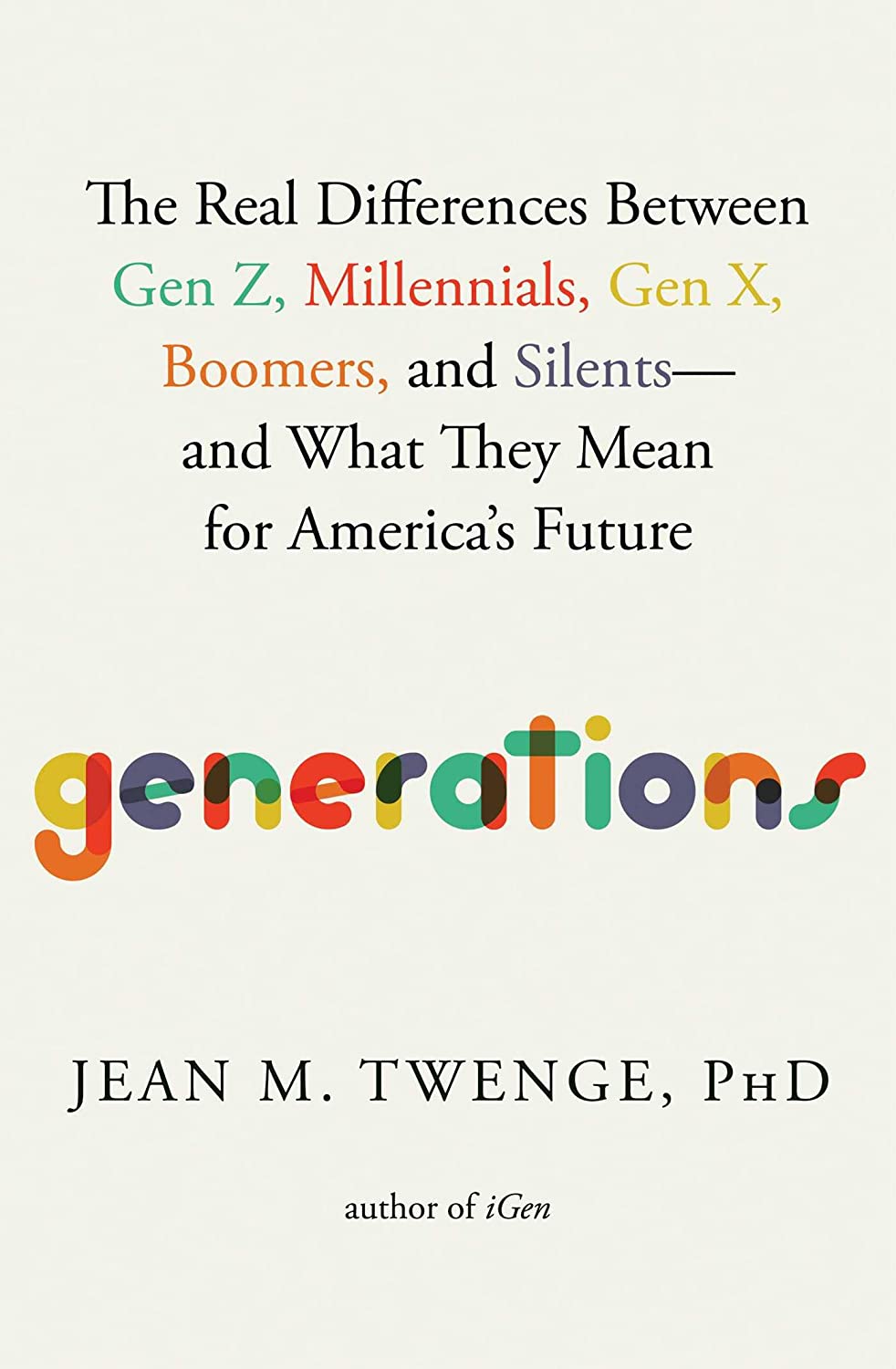
When you were born has a huge effect on how you feel about marriage and having children (and a whole lot of other things). I knew this in a vague sort of way, but the book Generations by Jean M. Twenge really opened my eyes. Gen X, Millennial, and Gen Z readers, I see you more clearly now.

The world is so different from when I was growing up as a baby boomer in the 1950s and ‘60s. Yes, I’m old, at least on the outside. On the inside, I’m still that long-haired hippie wannabe wearing mini-skirts and panti-hose and certain I would fall in love, get married and have children, just like all the other women in my family. Okay, not all. There were a few who didn’t have kids, but people didn’t talk about that stuff.

So much has changed. Birth control, legal abortion (until lately), women working outside the home as much as men, more people living into their 80s, 90s, and past 100, more young people going to college, student loan debt, the cost of living, LGBTQ folks going public and getting married, Internet, social media, smart phones . . . It’s not an Ozzie and Harriet world anymore.

A what? Exactly. Ozzie and Harriet Nelson were a real couple who had a black and white sitcom on TV featuring their lives with their two sons, Ricky and David. They were all musicians, and their problems were always resolved in less than a half hour, with time for a song at the end.

In her book, Twenge looks at each generation, from the Silent Generation (1925-1945) that was alive during World War II and their boomer children (1946-1964) through Gen X (1965-1979), Millennials (1980-1994), Gen Z (1995-2012), and what she calls Polars (2013-2029), the youngest generation. The changes are striking.

With each generation, people are waiting longer to get married, from late teens/early 20s in my day to an average of 28 for women and 30 for men now. And that’s just the average. Twenge writes: “Millennials are the first generation in American history in which the majority of 25- to 39-year-olds are not married.” They may or may not be living with a romantic partner, but marriage is pushed way down the road.

The trend continues with Gen Z, the oldest of whom are now at the height of their fertile years. The average age of women having their first child is 30, much later than earlier generations. But many millennials are choosing not to have children at all. It’s just not “required” the way it felt when I first married in 1974 at age 22. Couples are waiting longer, and many are deciding they don’t really want to be parents. They want to be free to work, travel, or do whatever they enjoy. Thanks to reliable birth control, it is easier to make that choice these days.

Even people who want children don’t see how they can do it, considering their student loan debt, the impossible cost of buying a home, and the equally impossible cost of childcare. They also look at the state of the world and think, really? I’m going to subject a child to that?

By the time they decide to get pregnant, they may be dealing with fertility problems, which leads to the whole world of fertility treatments, surrogates, and adoption, all difficult and crazy expensive.

How does this factor into being childless by marriage? In an era when more people are putting off having children or declaring they don’t want them, it’s more likely that one’s partner will be unable or unwilling to have babies. Of course, things get even more complicated when one partner has already had children and doesn’t want any more.

Twenge blames most of the changes over the generations on technology, including social media, birth control, and all the gadgets that dominate our attention. What do you think?

Generations is over 500 pages long and not a quick read, but it is fascinating, and I highly recommend it. If you’re much younger than I am, it could help you understand your parents and grandparents just as it helps me understand those born generations later than I was.

When I was young there was a saying: Never trust anyone over 30. We talked about the “generation gap.” Surely the generations have always disagreed on things. Do you think the differences are more pronounced now? Or is all this Gen X, Gen Z, etc. stuff nonsense?

Let me know what you think in the comments.

****************

During World Childless Week, I spoke on two panels, one about the image of childless people in the media and the other about aging without children. If you missed them or anything from World Childless Week, you can still watch the videos at https://worldchildlessweek.net.

Processing…
Success! You're on the list.

Media depictions of childlessness miss the mark

Cartoon image of Cruella de Vil from 1,001 Dalmations. She has gray skin, wears a fur coat, a red glove and is holding a green cigarette holder. She has an evil grin.

When was the last time you saw our lives without children accurately portrayed in a book, movie, or TV show? Can’t think of anything? That’s because you probably didn’t see anything like that. 

Childless in the Media was the subject of a panel discussion I joined on Zoom last Thursday as part of World Childless Week. Gateway-women founder Jody Day led the discussion. Joining us were author Annie Kirby, counselor and author Meriel Whale, journalism professor Cristina Archetti, and Rosalyn Scott, an editor who runs the NoMo book club featuring books by and about childless women. You can watch the webinar here.

We all agreed that true-to-life images of people without children are hard to find. The childfree are depicted as career-obsessed, hard-hearted, and possibly crazy. Remember Alex in “Fatal Attraction”? Or the countless female characters who were forced to go back to their small-town families for some reason and discovered a handsome hunky flannel-shirted stranger who brought out their feminine mothering side? 

The childless, unable to have children due to infertility and other reasons, are shown as pitiful–until, tada!-a baby magically falls into their hands through adoption or a miraculous conception. The partner who didn’t want kids has done a complete 180 and is delighted to become a parent.

Even those who seem to be set in a childless marriage because one partner doesn’t want to have children–Penny in “The Big Bang Theory”–change their minds. Penny is pregnant and happy about it at the end of the show.

Cristina Archetti, attending from Norway, did a study of 50 films from Norway, Italy, and the United States. The stereotypes hold across cultures, she said. The childless characters either die by suicide or murder, become mothers–thus “normalizing” their lives, or become psychopaths. The exceptions: men and superheroes. Superwoman is apparently okay with not having kids. She’s too busy saving the world. 

Her conclusion: The childless, especially women, are seen as unnatural, broken and needing to be fixed, or as monsters. Yikes. I don’t think that describes most of us. But people often believe what they see in the media. We need truer images of what it’s like to be childless.  

Jody Day asked people who registered for the webinar to list their most loved and hated childless characters. Carrie Bradshaw of “Sex and the City” came out high on both lists. She married Mr. Big relatively late and he didn’t want children. She accepted that with little protest. In the new series, taking place many years later, the widowed Carrie is dating again and children seem to be the last thing on her mind. 

Some of the beloved childless characters include Mary Poppins, Miss Marple, and Jessica Fletcher of the “Murder, She Wrote” series. 

During our discussion, Annie Kirby read from her book The Hollow Sea, and I read portions of my Up Beaver Creek novels  that include childless characters. Meriel Whale shared from her forthcoming book The Unreal City. We believe there is a market for stories about women like us who don’t have children and are not crazy, mean (Nurse Ratched?, Snow White’s wicked stepmother? Cruella de Ville), or likely to end up with a baby at the end (“Mike and Molly,” “Friends”). 

Who would you name as childless characters you admire or hate? 

Is it hard for you to watch shows or read books that are filled with parents and children or that offer magical solutions to childlessness? Can you name any movies, TV shows or books that get it right? 

What do you think? I would love to read your comments. 

  Meanwhile, check out @Nomobookclub on Instagram. 

Little by little, by telling our own stories and sharing the ones that show childlessness as it really is, we can help change the way the world looks at us. 

Processing…
Success! You're on the list.

‘You’re so lucky you don’t have kids’–Are we?

“You’re so lucky you don’t have kids” is one of the themes for next week’s World Childless Week. On Friday, Sept. 15, the Childless Elderwomen, including me, will discuss old age without children, a topic that scares the heck out of most of us. 

Are we lucky? Let’s be honest. Sometimes we are. We’re not crawling out of bed early to make lunches and drive the kids to daycare or school, spending all our money on children’s clothes and school supplies, or having every attempt at an adult conversation disrupted by a kid who demands our attention. Mom! Mom! Mom! Dad! Dad! I’m bored! 

But we’re also not having a little one snuggle with us and say, “I love you.” We’re not seeing our family traits reproduced in our children. We’re not saying “my son” or “my daughter” with pride.

We’re not worried every minute that our children might be sick, hurt, scared, or in trouble. 

But we’ll never have adult children who worry that WE might be sick, hurt, scared, or in trouble. I know some kids leave the nest and never look back. But there’s a good chance they’ll be around.

Lucky? Yes, I have time to work from dawn to bedtime without interruption. I only have to take care of myself and my dog. But that feels more like a consolation prize. 

We offered our lives to a partner who couldn’t/wouldn’t give us children. If that partner is still with us, they will take care of us, and we will take care of them. But what if they’re gone, or what if we never had a life partner? What if we are what some call an elder orphan? Parents gone, no spouse, no kids.

My brother visited me last week. He has a wife, two kids, and three grandchildren. The chain of people looking out for “Papa” is clear. Not so much for Aunt Sue. We huddled in the den and talked about aging and death. I handed him an envelope with all of my financial information, my wishes if I die, and a draft of my obituary. We talked about wills, powers of attorney, and health care representatives. If I’m suddenly unconscious, who will be legally allowed to take care of things? It needs to be clear and official because my nearest family member lives 700 miles away. 

We talked about who I would leave my money to, about stepchildren and his children and charities I could fund. We talked about setting up a trust. With no obvious heirs, I’m free to do what I want with whatever’s left. Lucky? Maybe.

We talked, too, about who will handle things if he dies first. The possibility breaks my heart, but I may have to pay a professional, someone who doesn’t even know me. 

Enough doom and gloom. But I want you to consider this visual image. A photo of my brother’s family has seven people in it. There will be more as the young ones marry and have their own kids. The photo of my family has just one person: me. 

Lucky? An old Janis Joplin song says, “Freedom’s just another word for nothing left to lose.” 

There are advantages and disadvantages to not having children. I’m heading out of town today. I’m not taking a rambunctious three-year-old. Lucky. No one will ever call me “Mom” or “Grandma.” Not so lucky. 

What do you say when someone says “You’re so lucky not to have kids.” 

Are there words for that? Or do we just stare at them with a look that says, “You have no idea.” 

Join us next Friday for the Childless Elderwomen talk, hosted by Jody Day. It’s at noon Pacific time. The website will help you find your time. Register at https://gateway-women.com/gateway-elderwomen/. Attendees are not visible on the screen, so you can be totally anonymous. 

Visit https://www.worldchildlessweek.net for the full schedule of events. 

Processing…
Success! You're on the list.

Don’t Hide Your Childless Story; Share It

Image is mostly text listing categories for stories to be submitted for World Childless Week. Small images on left, white words on blue on right.

Writing about being childless is not always easy. Sometimes just talking about it is a challenge. Even though I am a writer, sometimes I just want to shut up about the whole not-having-children thing. It’s easier to try to blend in. Dwelling on it hurts, and people often react in ways that make it worse.

You shouldn’t have married him. You shouldn’t have let him deny you children. You should have seen another doctor. You should have adopted. You’re lucky you don’t have children. You’re lucky to have so much freedom. Look at all the money you’re saving. Are you still whining about not having kids? Etc.

But we need to say it out loud so that others in the same situation know they are not alone and so that people who do have children begin to understand what it’s like for us.

It’s not our fault. Or maybe it’s a little our fault, but it’s a done deal now. Adoption is hard and not the same and we decided not to do it. Some days, we do enjoy our freedom and the extra money, but other days we cry our guts out when we see a woman playing with her grandchild or hear about a friend having a baby. And no, marrying a person who already has kids is not the same, not even close.

I’m just riffing here, but does any of that sound familiar? Well, here’s a chance to speak up in a safe space without those negative responses.

World Childless Week, Sept. 11-17, is coming up. Organizer Stephanie Joy Phillips has been gathering personal stories to share on the website. Each day has a different theme.

Sept. 11: Your Story

Sept. 12: Being a Stepparent

Sept. 13: A Letter to the Person Who Hurt Me the Most

Sept. 14: Childless in the Media

Sept. 15: You’re So Lucky to Not Have Kids

Sept. 16: I am Me

Sept. 17: Moving Forward

Stephanie is looking for 800 to 1,000 words, but the stories can be longer or shorter if that’s how it works out. For full guidelines, click here.

I submitted a piece on being a stepmother. It felt good to say it out loud, the good and the bad, in a place where my stepchildren will never see it. It might feel good for you, too. The deadline is Sunday, Aug. 27. I know that’s not much time. But try writing something about your childless experience. The only people reading it will be other childless people like you and I, so you won’t get all those garbage responses from people who don’t understand. You don’t have to use your real name.

If you miss the deadline or find you have more to say, send something to publish here at Childless by Marriage. Guest posts are always welcome. You can use a false name to tell your real truth. Use the guidelines on this page.

Or maybe just try writing something for yourself that you will never show to anyone. Spelling and grammar don’t matter. Just let the words flow. Sometimes writing out your thoughts and feelings helps to make sense of things. If you’re worried about someone reading it, you can delete the file or burn the pages when you’re done.

Even if you don’t get anything written, do plan to attend some or all of the World Childless Week discussions. They’re all on Zoom and free. Every session may not apply to your situation. Choose the ones that do. Your face and name will not appear on the screen.

I will be one of the panelists for the Sept. 14 talk on how childlessness is portrayed in the media and again on Sept. 15 for the Nomo Crones’ fireside chat about aging without children. Both should be a lot of fun and very interesting.

As always, I welcome your comments and thank you for being here.

Processing…
Success! You're on the list.