These Books Offer Three Different Views of Childlessness

Nulligravida by Saralyn Caine, 2021

How do you feel when someone declares they never wanted children and puts down the people who do want them? Me, I’m very uncomfortable, as if I need to defend my desire to be a mother or explain why I haven’t adopted or gone through IVF.

I recently quit reading a book titled Nulligravida, which is the medical term for a woman who has never been pregnant. I couldn’t get past the mean-spiritedness of so many of the poems and essays by author Saralyn Caine.

  • “Children are noisy, selfish, and dependent. They can’t help it, but I can help having that in my life.”
  • “I refuse to be a host to a parasitic entity squirming around in my belly. I refuse to have persistent migraines from all the screaming. I refuse to sacrifice my sleep and health and body and sanity.”
  • “There is no soul waiting/for me to be its mother./If there were, I’d have the desire.”

Caine implies that women who become mothers sacrifice themselves to these “selfish parasites” called children. She also bashes Christians and anyone who promotes parenthood.

We are all entitled to make our own decisions in this area. Caine’s words are valid for those firmly against having children, but as someone who grieves the loss of the children I never had, I just couldn’t read any more of this book.

Childless: A Woman and a Girl in a Man’s World by Fabiana Formica, Nianima Press, 2025

I had trouble with Fabiana Formica’s Childless, too, but not because of its contents. Its unusual format makes it a slow read.

Formica was never able to find a fitting partner with whom she could start a family. Nearing the end of her fertile years, she froze her eggs and picked out a sperm donor, but she ultimately decided she was not up to having a child alone. Much of the book consists of letters to her unborn child, whom she names Nia after her grandmother. She tries to explain why she couldn’t go through with it.

Fabiana was married once. Although she hadn’t wanted children before, she said, once they were married, she felt a physical yearning to have a child growing inside her. When she asked her husband if they could start trying to conceive, she received “a resounding “No!”

She writes: “From that dissonance, between the body that quivers for the seed of life, and the mind, witnessing a full-blown typhoon about to hit the abandoned island of love, comes the short-circuit. The void. The devastation.

“I’d chosen a man, an imperfect human being, made of flesh and blood and vague feelings. An adult child, much as I was, too, wrapped in concern for the preservation of our own images as solid, proud and strong individuals. These projections concealed the fragility of our unresolved and difficult childhoods, but no one dared speak of such heartfelt truths. When I’d met him, I’d never have talked about children—because I didn’t want them. To be a mother, until that moment, had constituted an outrage directed at my future, an obstacle to my destiny, an unnecessary burden on my presence in the world, a presence I envisaged to be very different from that of my mother.”

Her own mother didn’t want children and had several abortions before giving birth to Fabiana. She always told her that having a baby ruined her life. Fabiana didn’t want to make the same mistake. But now she struggles with her decision to abandon her frozen eggs.

“I must justify the pain of the decision to let go of this attachment to an idea, to a role I’d play in society by telling myself there’s another plan for me, beyond motherhood, beyond caretaker, beyond anything imaginable by society, or by my own social conditioned thinking.”

She admits she enjoys her freedom to travel and to put her career and herself first. She tells her baby, “I wonder if such freedom would be compatible with you, my sweet baby Nia. If a happy union in which a man wouldn’t take possession of me, or you, to make us his missing rib, might exist, a man who allows my body so much freedom that he wouldn’t see a baby as the fruit of his conquest.”

Formica met recently with Gateway Women’s Jody Day and writer Y.L. Wolfe for an online webinar. They discussed Formica’s book, the desire to control their own lives, the pressure to create traditional families, and prejudice against people who are not married or partnered. You can watch the recording here.

Wait Here by Lucy Nelson, Summit Books, 2025
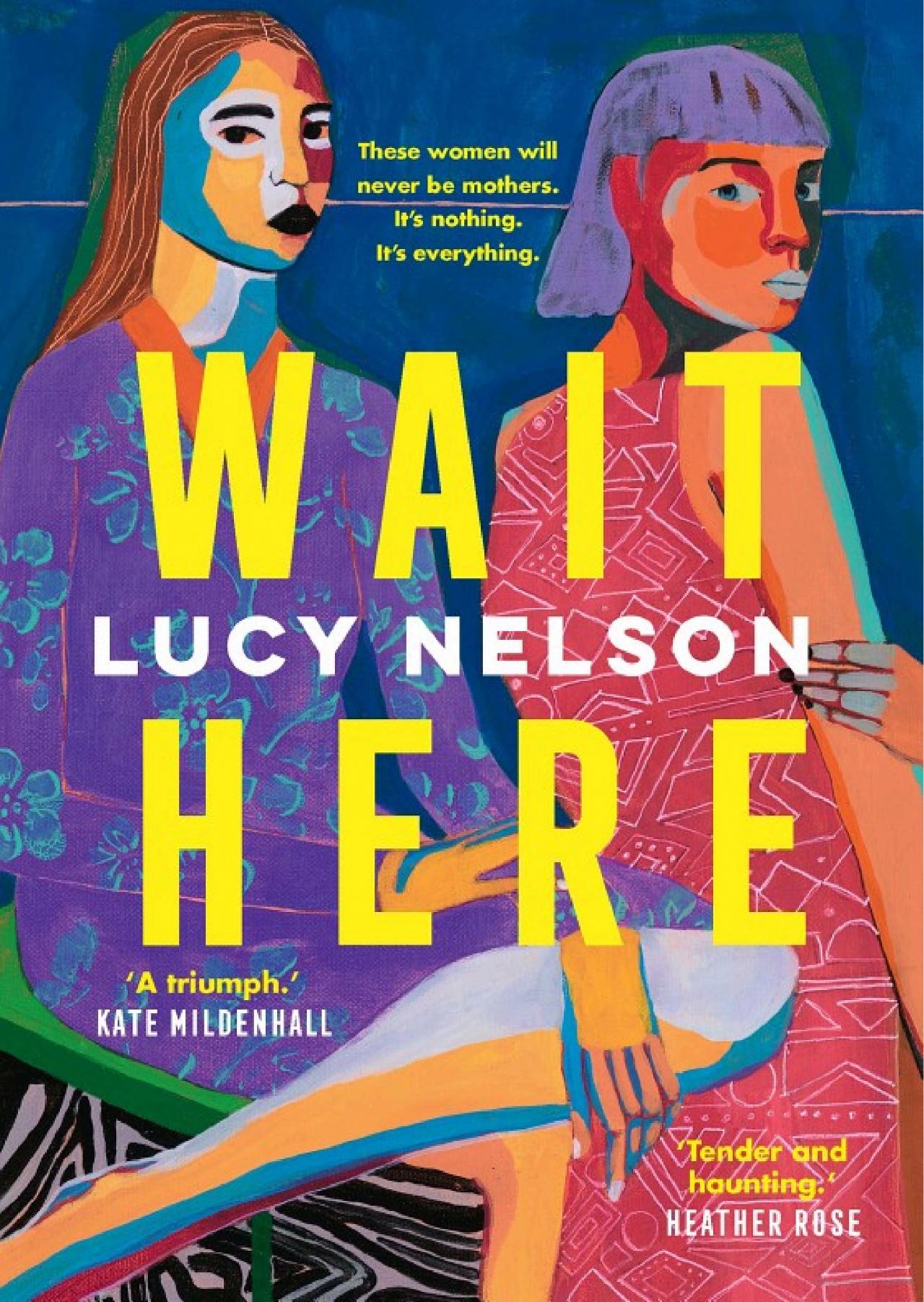
I have no qualms about recommending Wait Here by Australian author Lucy Nelson. This short story collection features protagonists who do not have children and probably never will. More important, these are great stories, quirky and original. In “Ghost Baby,” we read about a woman who looks for her aborted baby everywhere. In “The Feeling Bones,” Nelson uses the bones of the body to tell mini stories about her characters’ lives.

The title story, “Wait Here,” takes place entirely in a therapist’s waiting room. There, the lead character finds a comfortable oasis where she can invent stories and avoid what she has come to talk about: a baby she aborted or miscarried (it’s not spelled out). I truly enjoyed these stories. They’re easy to read and a relief for childless readers who are weary of fiction that always ends with the woman having a baby or heavy books that rail against the evils of pronatalism. This one is fun all the way through.  

When I first started writing about childlessness, there weren’t many books published on the subject. Most were Christian-oriented books on infertility that ended with a baby. It is good that writers are offering books now that show the many different faces of life without children.

Do you have any books recommend? Please share in the comments.


Three posts to go before I stop posting regularly here at the Childless by Marriage blog. What would you like to read here? I will keep up the website, with its reference list and an index of the 900 posts I have published over the years. You can also find me at the Childless by Marriage Facebook page.


If you want to know what I’m up to these days, visit my “Can I Do It Alone?” Substack at https://suelick.substack.com or friend me on Facebook at https://www.facebook.com/suelick

Women Without Kids: Making a Choice That Society May Not Accept

Women Without Kids: The Revolutionary Rise of an Unsung Sisterhood by Ruby Warrington, published by Sounds True, 2023.

I had a hard time reading this book. The author never wanted to be a mother and that bias pervades the pages. At first, she seems to think motherhood is a dirty trick foisted upon women to take away their freedom. Once pregnant, all choices will be taken away. You will be saddled with childcare 24/7, and the father will not help. 

Yes, but . . . 

I think babies are a miracle, one not all of us get to experience. A PERSON is formed and grows inside our bodies. How could we not want to take care of them and love them forever after? That’s just my opinion. And yes, I’m Catholic, a religion that is very pro-baby.

As I read on, Warrington is not as hard-hearted as I thought. She writes extensively about how children should not be born to parents who are not ready to support them and into a society that offers minimal support to parents. No one should be forced to procreate if they would rather devote their lives to something else. 

Toward the end, she writes, “. . . accepting that you may never be ready to be a mother in this life might lead to a period of intense grieving. Not that experiencing sadness about not having kids means you can’t also be confident in the choice not to pursue parenthood. It’s okay to grieve something you will never have and to feel empowered in your decision to prioritize other things.” 

Amen. We have choices, and who is to say one is better than the other?

Warrington is much younger than I am and proof that women from different generations have grown up in very different cultures when it comes to women’s roles.

For my mother, raising children in the 1950s and 60s, mothering was her job. Full-time, no days off. If you asked her, she’d say that was exactly what she wanted to do. Her mother and grandmother did the same. There weren’t many opportunities for women outside the home anyway. We could be secretaries, nurses, or teachers, not much else. 

Of course in those post WWII baby boom days, a family could buy a home and survive on one income. Not that it was ideal. My mother often said she thought she would lose her mind in the years she was stuck at home with two toddlers all day while my father was at work. She was responsible for all childcare, cleaning, cooking, and laundry. I know she envied my “career-girl” life when I was a young woman, when I thought motherhood was just around the bend.

We baby boomers were a mix of mothers who stayed home and mothers with jobs. In the wake of the Women’s Movement, as I graduated from college and got married two weeks later, we had the ability to do a lot more different things, but that also meant trying to juggle work and family, not an easy task. And yes, the bulk of the child-related responsibilities still fell on the women. Divorce also became a lot more common, leaving single mothers trying to do everything by themselves.

My plan was to be a stay-at-home mother-writer. I would do both, writing best-selling novels while the babies were napping or at school. Easy-peasy. Instead, I worked as a journalist, supporting my first husband, supporting myself between marriages, and still working full-time during my second marriage. And yes, most of the chores fell on me.

Now, fewer couples are getting married, and fewer are having children. If you’re reading this, you are likely among them. The economy has made it nearly impossible for young people to afford a place to live, even when both partners work at well-paying full-time jobs. How can they add children to the mix? Should we bring more people into an overpopulated world that seems to be self-destructing? Plus, young women like Warrington see the responsibilities of parenting as prison and hold onto their freedom with both hands. “Just the two of us will be fine. We’ll get a dog” is a common refrain.

In the last century, couples got pregnant and figured out the financial part later. Babies were expected as the natural thing that comes after marriage. Birth control and abortion were not readily available. If parents were exhausted and wished they could shake free of their kids now and then, well, too bad. If the husbands skipped off to their jobs and left their wives doing the bulk of the work at home, so be it. In time, the kids would grow up and leave the home, and the parents could enjoy their empty nest. 

But now, we have so many choices. Birth control. Education. Living together without getting married. Careers of all kinds open to both women and men, careers that require the biggest investment of time and energy at the same age women are most able to have babies. Couples are putting off parenthood, sometimes until it’s too late. And some, like Warrington, are just saying, “No!”

My generation and those that followed have learned that you really can’t do everything at once. Choices must be made, and few of us have the luxury of devoting all our time to parenting, even if that’s what we want to do. Warrington argues that without more support for parents–flexible work schedules, affordable childcare, and maternity leave–parenting is just too difficult. 

Maybe in the childless-by-marriage situation, when it’s not a matter of biological complications, at least one of you feels like Warrington. They look at how hard it seems to be and say no, I don’t want to do that.

Dear readers, I’m grandmother-old. I have very little connection with people who are raising children. Tell me how it looks these days. Among the couples you know, do mothers still do all the childcare and home chores, or do the partners, male or female, share the load? Do you see parenting fitting into their existing lives or taking over? Is that one of the reasons you don’t have kids? Would you be happy to make whatever sacrifices were required if you could have a baby? Or is that too much to ask these days? 

Processing…
Success! You're on the list.

Realistic childless role models, real or fictional, are hard to find

The last novel I read, titled The Way It Should Be, was enjoyable but typical of the prenatal slant we usually get. Early on, newlyweds Zara and Chad discover Zara carries the gene for a fatal disease she could pass on to their children. She’s thinking they should not get pregnant. But he really wants a family. Will he leave her if she can’t give him sons and daughters? Before they can think twice about it, the children of a troubled family member fall into their laps. They’re adorable, and eventually they adopt them. Easy-peasy. Not realistic. I like a happy ending, but it would have been a more meaningful book for me if Chad and Zara had been forced to deal with their situation as potential non-parents and how that would change their lives.

Have you read any good books with childless characters lately? Sometimes it seems that every adult character we encounter in books and other media has children. But that’s not how it is in real life. The NoMo (non-mother) book club was formed to highlight books for those of us who are not parents. They have compiled quite a list. Visit their site at https://www.instagram.com/thenomobookclub.

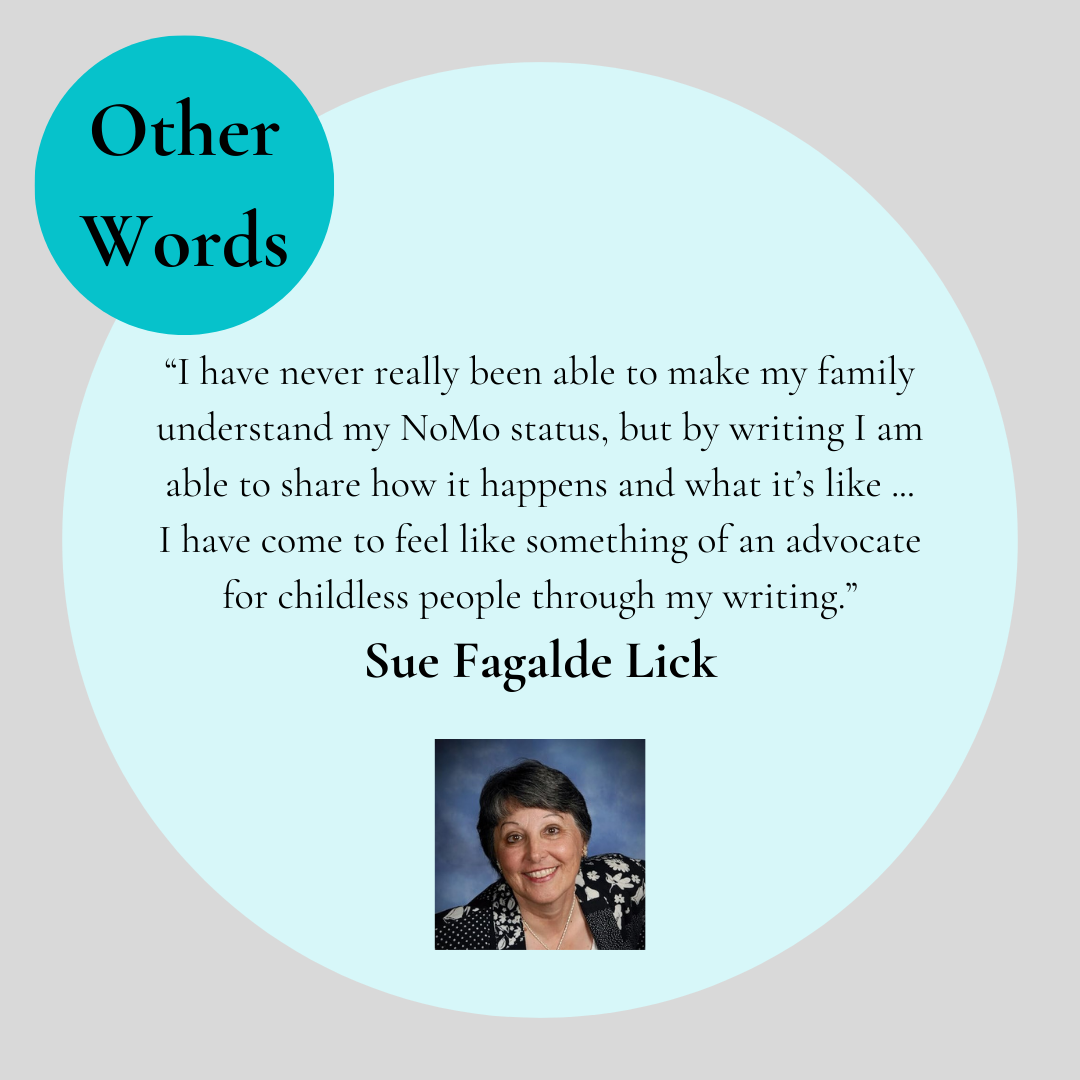
Book club member Rosalyn Scott has started a new feature there called “Other Words,” where she interviews childless authors. The site goes live this Saturday, Jan. 13. and includes an interview with me about my books and writing. The image shown here includes a quote from that interview. I look forward to reading all the others. I know a few of the authors, but most are new to me. Give it a read at https://thenomobookclub.wixsite.com/otherwords. Visit the nomocrones instagram site for some good reading ideas. If you have a favorite book that fits the “NoMo” category, let the book club know at thenomobookclub@gmail.com.

Speaking of books, have I mentioned that I have four coming out this year? One of them is the next in my series about PD (no kids!) and her friends at Beaver Creek, Oregon. Two more are poetry books, and the fourth is No Way Out of This, a memoir about going through Alzheimer’s Disease with my late husband. It’s nuts. But could I say no to any of my dream publishers who wanted to publish my work? Heck no. It will be an interesting year of proofing covers and pages, publicity and marketing, giving talks, and trying to find time to manage the rest of my life. If I had children, they would be badly neglected.

It’s like giving birth to quadruplets. At any particular time, one is crying, one needs a diaper change, one has a fever, and the other has just spit up all over me. I’m raising books instead of people. How about you? What are you raising this year?

On Dec. 20, the childless elderwomen held their fireside chat about childless role models. What most of us decided was that although we could name some famous people without children, we didn’t have many real-life role models to follow. When we were of childbearing age, no one talked about why some people didn’t have children. Rumors were tossed around, but no one sat down and had an honest discussion about it. Now, we have become role models for each other. Perhaps you younger readers can be role models for us. I think the lesson to be learned from this is to talk about it. If you know someone who hasn’t had children, ask them in a quiet, private moment if they mind chatting about it. You could tell them about your own situation and say you’re seeking advice about what it’s like. We have to stop the silence.

Meanwhile, here’s a link to the video. https://jodyday.substack.com/?r=ejjy9&utm_campaign=pub&utm_medium=web It’s a little over an hour long.

I welcome your comments, and I hope your new year is starting out well.

Sue

Processing…
Success! You're on the list.

Can You Live with Your Decision Not to Have Children?

When you want Chinese food and he wants pizza, how do you decide which to get? Settle on KFC instead? If he gets his pizza, will you still be wishing for Chinese or decide pizza’s not so bad after all? Will you not really care because it didn’t matter that much to you? Or will you hold it over his head. “I gave up moo shu pork and egg rolls for you, and I’ve got heartburn from eating your stupid pizza.” Will he give in and have Chinese but insist it was the worst Chinese food he ever tasted?

Deciding whether or not to have children is not the same as deciding on takeout food, of course. Years later, will you remember whether you ate moo shu or pizza? No, but whether or not you have children will affect your entire life.

Relationships are full of decisions. Where will you live? Where will you work? Will you paint the living room blue or white, go to his parents’ or yours for the holidays? But next to getting married, whether or not to have children is the biggest decision you will ever make.

If you’re lucky, you and your sweetheart agree on most things most of the time. It sure makes life a lot easier. It’s like, “Let’s have . . .” and you both say “Chinese!” at the same time. But we wouldn’t be here at the Childless by Marriage blog if life were that easy.

It would be nice if we were all saints, too. “I will sacrifice what I want because I love you. And I’ll never bring it up again.”

That’s how it goes in fairy tales.

In real life, when someone gives up what they want, they may not be able to let it go. When you disagree about having children, someone is going to be unhappy and that unhappiness might never go away.

If you’re the one who wants children and you do somehow convince your partner to make a baby—or adopt or pursue fertility treatments, he or she might decide that like the pizza, yes, this is good and they’re glad they changed their mind. But it is quite possible they will carry some resentment and bring it up whenever things get difficult. I never wanted kids. See, now we can’t take a vacation because your son needs braces.

If you didn’t get the children you wanted, you might cry about it in secret or yell about it out loud. Because of you, I’ll never be a mother or a father. Because of your selfishness. It doesn’t help that the world makes you feel less-than because you’re not a mom or dad like everyone else seems to be.

Maybe it’s not just a matter of want but can’t. Your partner can’t have children so you decide you will give them up too because you love them. You want to be together. Wonderful. Again, saintly. But there are going to be those moments when you think I screwed up. I shouldn’t have just given up like that. It wasn’t fair of him to ask me to.

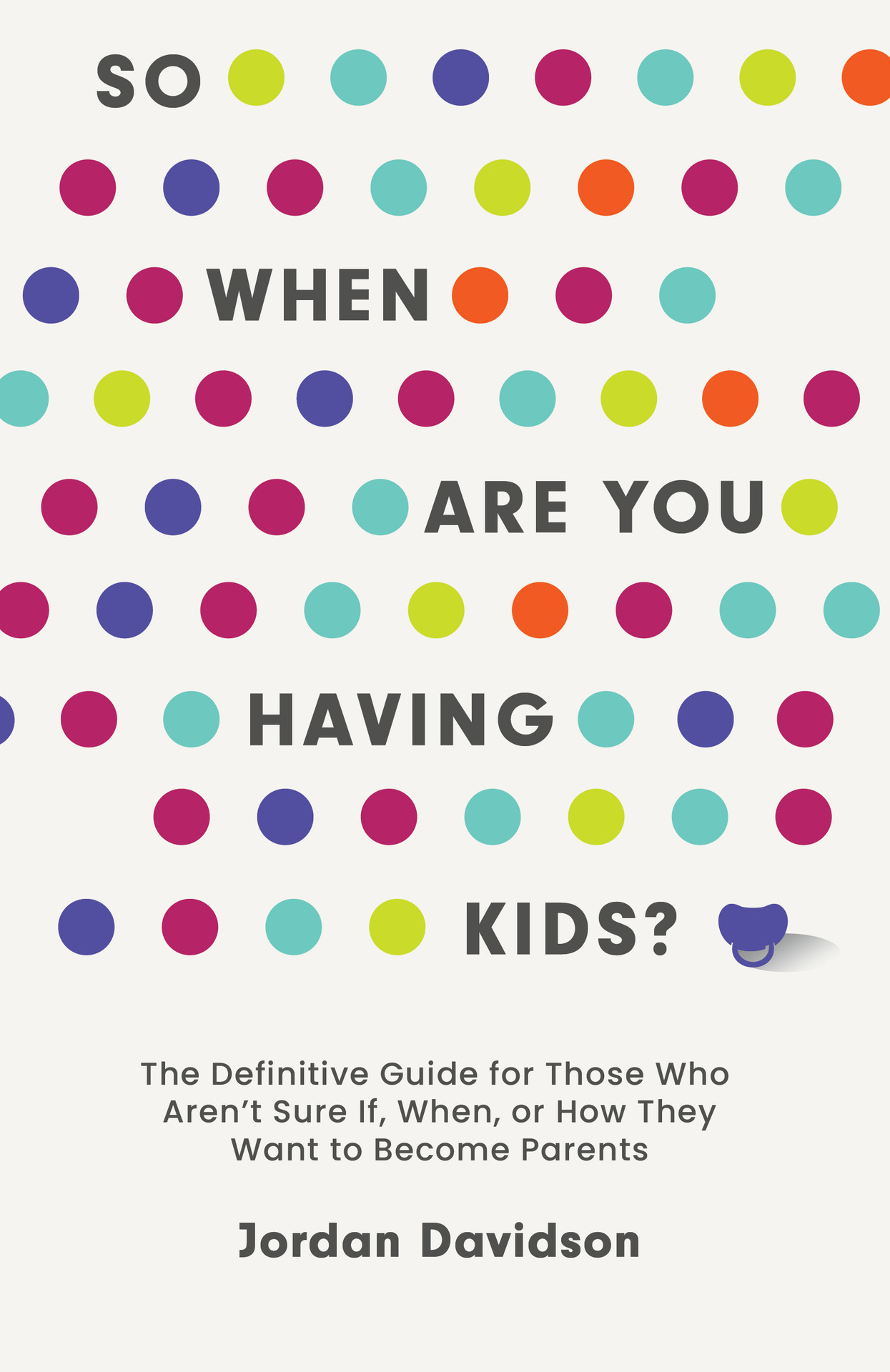
In Jordan Davidson’s book So When are You Having Kids?, which I wrote about in my April 5 post, she cited a UK study that showed many couples decide whether or not to have children after only one discussion. Each person usually comes to that one discussion already knowing what they want. Ideally, we bond with people who think like we do, but when we disagree on something so important, it gets tricky.

Davidson says the one who feels strongest about what they want will usually prevail. The other gives in out of love or simply to save the relationship. “Those who felt comfortable with their ultimate decision said they never felt manipulated or forced into deciding, whereas those who expressed some level of regret or dissatisfaction with parenthood felt rushed or coerced.”

“If you convince your partner to align with your decision, you may feel guilty, like you decided their future for them. Your partner may also harbor some resentment if they feel like their desires weren’t fairly considered.”

What am I trying to say? Only that there’s no easy answer here. If you nag and cry and make your partner crazy until they give in just to get some peace, you might get what you want, but at what price to your relationship? If you quietly give in but can’t really accept the decision, it will fester inside. All you can do is make your desires known. Talk it through thoroughly—and not just once. Then decide whether you can live with the results.

As my mother always told me about boyfriends, there are more fish in the sea, but if this is the only fish for you, one of you is going to have adapt to the other fish’s speed.

What do you think about this? Can you compromise on the baby question and still be happy together? I welcome your comments.

Photo by Quang Nguyen Vinh on Pexels.com

Processing…
Success! You're on the list.

The Question: So When are You Going to Have Kids?

That’s a question many of us have heard a lot. Even if we answer “We’re not having children,” no one believes us and we keep meeting other people who can’t resist asking the question, especially if you’re married and under 40 years old.

When I found this book, titled So When are You Having Kids? by Jordan Davidson on the new-books shelf at my local library, I had to bring it home. I thought people might giggle if they saw an old lady like me reading this book. That ship has sailed, hasn’t it? Yes. I’m not contemplating getting pregnant, but the book is still full of information that everybody should have, whether or not they ever plan to procreate.

With the subtitle “The Definitive Guide for Those Who Aren’t Sure If, When, or How They Want to Become Parents,” it provides answers to every question a person could have about the making of babies. It’s the only book I have read on the subject that includes LGBTQ readers every step of the way. Davidson offers the reasons why people decide to have children or not, details on how sperm meets egg and what happens then, the straight facts on fertility treatments and odds of success, the inside story on surrogacy and adoption, details on contraception and sterilization, and so much more. All this, and it is not boring. Davidson intersperses personal stories of people with and without children throughout. Even though I’m well past menopause way past menopause, I found it fascinating. Here is everything you did not get in The Talk with your parents or in sex education classes.

“When are you going to have kids?” God, I hated that question. When I was with my first husband, everyone assumed as I attended my cousins’ baby showers, that “Susie” would be next. I would mumble something like, “maybe,” even though I knew my husband wasn’t up for it, not then, maybe never. When I married Fred, I was a little older, but they still assumed babies were coming, and if they didn’t, well, at least I had Fred’s kids and could be a stepmom. I tried to avoid the question as much as possible because another question always followed: Why not?

Well, we’ve got the other three, there are health problems (his vasectomy), I’m prone to diabetes, etc. I never just said, “Fred doesn’t want to have any more kids.” I didn’t quite believe myself that it would never happen, plus I didn’t want to make my husband look bad. So, I just mumbled something and changed the subject.

The author shares an interesting quote from Ethicist Christine Overall, author of Why Have Children: The Ethical Debate: “In contemporary Western culture, it ironically appears that one needs to have reasons not to have children, but no reasons are required to have them.”

She is so right.

I will be returning to this book in future posts because it’s so packed with relevant topics, but this week, I’d like to hear your comments. What do you say when someone asks, “Hey, when are you going to have kids?”

Happy Easter, dear readers. Don’t let all the child-oriented Easter Bunny stuff get you down.

Processing…
Success! You're on the list.

New Book Shows Us Childlessness is Nothing New

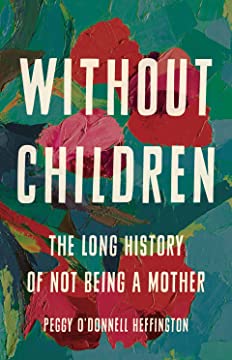
Without Children: The Long History of Not Being a Mother by Peggy O’Donnell Heffington, Seal Press, coming out April 18, 2023. [pre-publication copy sent by publicist]

Women didn’t start choosing not to have children in the late 20th century with the advent of legal abortion and The Pill. As historian Peggy O’Donnell Heffington describes in this book, it has been happening throughout history. Women were using a variety of herbal concoctions and crazy methods to keep sperm from meeting egg long before birth control pills became widely available in the 1970s. What is new is the way families have separated themselves up into mom-dad-children units, each living in their own separate homes instead of the multi-generational communal living of earlier eras. In those times, mothers had aunts, grandparents and siblings to help. Now they’re expected to do all the childcare AND work outside the home, giving most of their income to daycare.

Other things have changed, too. Couples worry more about overpopulation, climate change, and the financial challenges of parenting. Women delay parenting to pursue education and careers, then struggle with infertility when it’s almost too late. It’s much less of a scandal these days if a couple decides not to reproduce, but there is still a strong belief that having children is the norm and if we’re not doing that we need to explain ourselves.

This book looks at the various reasons for not having children, including wanting more out of life, concerns about our overcrowded planet, the frustrations of infertility, and simply choosing not to have them. Heffington goes into great depth on each subject. We learn about early birth control, family organization, activists who fought for women’s right to control their own bodies, how fertility treatments work and the statistics on their effectiveness, and much more. The level of detail is incredible, but the facts never bog down the narrative. Don’t let the footnotes scare you away. I highly recommend it for anyone trying to decide whether or not to have children or dealing with the decision after it’s a done deal, as well as for the people who love them.

My only quibble is that she doesn’t say much about being childless by marriage. It’s sort of buried in the many ways we can wind up without children. I wish she had said more about that. Still, it’s full of fascinating facts. For example:

*Nearly half of millennial women have no children and an increasing number don’t ever plan to.

* Births have dropped dramatically since the 2008 recession because couples feel they just can’t afford it. Add in the pandemic, and even fewer are willing to jump into the parenting pool. The same thing happened during the Great Depression early in the 20th century.

* Contraception has only been legal in the United States for married women since 1965 and for all American women since 1972. (That’s the year I lost my virginity. That blows my mind. If I had started having sex one year earlier, I would not have been able to get The Pill. I would probably have been pregnant on my wedding day.)

* People have been using all kinds of methods to prevent or to end pregnancies throughout history. Among the possibilities: mixing a spermicide made of hydrated sodium carbonate with crocodile droppings, blocking the cervix with a disk made of acacia gum, and rubbing crushed juniper berries on the man’s penis. Some of the things described here actually worked.

* There’s a theory that humans live far beyond their reproductive years so they can care for their extended families and the children in their communities rather than having more or any children of their own.

* The choice not to have children may not feel like much of a choice at all when you factor in the challenges of establishing a career, finding the right partner, saving for a home, paying off student loans, or working multiple jobs to make ends meet. (I would add dealing with physical or emotional problems, marrying partners who already have children, who have had vasectomies or hysterectomies, or who just plain don’t want them. Is it really a choice when you can have this person you love OR children and might end up with neither?)

Heffington, who claims a husband and two pugs as family, writes from the point of view of a historian. A professor at the University of Chicago, she writes and teaches on the histories of gender, rights, and the environment. It all comes together in Without Children.

The book comes out next month, but you can preorder it now.

Processing…
Success! You're on the list.

Can I Declare Myself Happy without Children? Can You?

That question makes me squirm.

I happened upon a podcast from a couple years ago that was titled “Childfree by Circumstance and Happy.” It’s not uncommon to hear people who are childfree by choice say they are happy, delighted even, with their choice. No regrets, just loving their freedom. But what if it wasn’t your choice, what if it just happened due to medical problems, infertility, bad timing, or lack of a willing partner, and you decided to be happy about it? Can you do that?

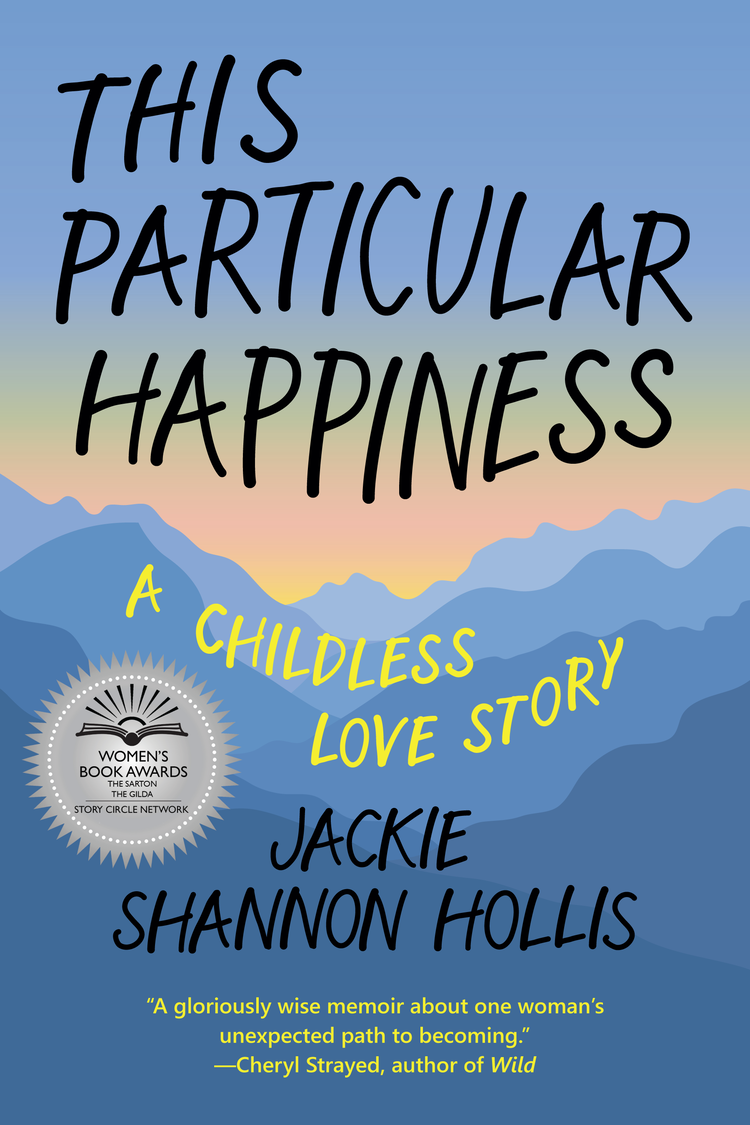
Jackie Shannon Hollis and Shirley Wang, the two guests on the show, said they could.

Hollis is author of a fantastic book titled This Particular Happiness: A Childless Love Story. Her first marriage ended in divorce without children. Her second husband, who was older than she was, declared he absolutely did not want children. She wanted to spend her life with him, so she made a conscious choice to live without children and embrace a childfree life.

Rather than mope about it, Hollis added being a parent to the list of things she would never be in her life, the parallel lives she might have lived, just as she would never be a doctor or an Olympic athlete or a hundred other things. Hollis asked herself “Am I happy right now?” She was, so why not continue living the life she had?

Wang, an opera singer, pianist, and author, said she had never met the right man to be her life partner and father of her children. A medical issue at age 38 forced her to decide whether or not she really wanted to have children. She realized she didn’t need to have children of her own to be happy. She enjoyed her life of traveling and performing. With her students and nieces and nephews, she had plenty of kids in her life. “I felt free,” she said.

How emotionally healthy these women sound. Wang says she rarely thinks about the fact that she doesn’t have children. She just enjoys her freedom. In fact, the slogan on her website is “freedom to create.”

I am a creative person, too, and I appreciate the time and freedom to do my writing and music, but I can’t let go of my childless grief. I really wish I was a mother and grandmother. It hurts that I’m not. I envy people my age with big families. My marital life was very similar to Hollis’s, except that I didn’t make a conscious choice to be “childfree.” I thought my stepchildren would fill the gap, and I somehow thought that at some point I would have my own babies. That didn’t happen. Now that my husband is gone, I’m living with a dog in the woods far away from my family, and I’m lonely.

“Let it go,” says a voice in my head, possibly my former therapist. “Move on.” You wanted to be thinner, a concert pianist, and have curly hair, too. You wanted to sing in a band. Let it go. Let it all go. But you know what? It’s my grief. I’ll weep if I want to.

This is getting pretty heavy. How about you? Can you stop torturing yourself about not having kids? Can you let go of being childless and celebrate being childfree? What would it take to do that?

As always, I welcome your comments and really appreciate you being here.

Processing…
Success! You're on the list.

When You Take Away Your Partner’s Parenthood Dream

Two weeks ago on the blog, I wrote about Steph Penny’s situation. She has lupus, an autoimmune disease in which the body’s immune system attacks its own tissues. The risk of trying to have a baby was so great she and her husband were forced to choose a life without children. In her book Surviving Childlessness: Faith and Furbabies, she wrote about her choice and many other aspects of childlessness.

One of the many passages that struck me in this book talked about how it feels to watch your partner go without children because of your problem. Steph describes that on page 12:

“It hit my husband, too. He had wanted children even more than me, so it affected him greatly. I felt an enormous amount of guilt about that. I still do. I had always thought my husband would make a superb father. Not being able to give him this gift was almost more than I could bear.”

She adds that it was her husband’s idea to dedicate her book to the two children they named but never had.

Guilt. Imagine you have an illness, a fertility problem, a children-from-a-previous-marriage problem or can’t for whatever reason give your partner the children he or she longs for. You hear them weeping when they think you don’t notice. You see them flinch when someone announces they’re having a baby. You see them turning red as they remain seated when all the mothers or fathers are invited to stand for a blessing at church on Mother’s or Father’s Day. You watch them fumble for an answer when strangers ask, “How many children do you have?” or “Hey, when are we going to hear the pitter-patter of little feet at your house?” You see the pain in their eyes when their parents play with their siblings’ children and they will never play with theirs.

Maybe you can’t help the situation. Your physical or emotional problems are not going to go away. You can’t produce sperm or eggs where there are none. All you can offer is to step aside and let your loved one find someone else who can give them children, but if you truly love each other, isn’t that asking too much? Maybe all you can offer is sympathy, a shoulder to cry on, and an explanation to those nosy people who press for answers as to why there are no babies at your house.

I know my husband felt bad. He saw me see-saw between anger and grief and knew it was his fault. He heard me trying to deflect the questions about when I was going to have a baby. He saw me trying so hard to bond with his kids. After his Alzheimer’s diagnosis, before he went deep into dementia, he probably worried about me being alone.

But none of that changed the fact that he had had a vasectomy and was so much older than me that he didn’t want to start over with a baby. Nor did it change the fact that he and his wife had so much trouble conceiving that they adopted their first two children, finally having a bio child after 17 years of marriage. Mostly likely we would have had trouble, too. He couldn’t help it.

He loved me, and he saw how much it hurt. In marrying me, he took away my dream of being a mother. The guilt must have been tremendous. As was my grief. Just yesterday, watching a baby born on a TV show, I sobbed so hard it hurt. After all these years.

We stayed together because the love was greater than the grief or the guilt.

How about you and your partner? Does the one who didn’t want or couldn’t have children feel bad about it? Do you talk about it? What can you do to make it feel better? Is the love strong enough to overcome the other feelings?

I welcome your comments.

Photo by Lukas Medvedevas on Pexels.com

Processing…
Success! You're on the list.

Novels’ Main Character is Childless Like Us

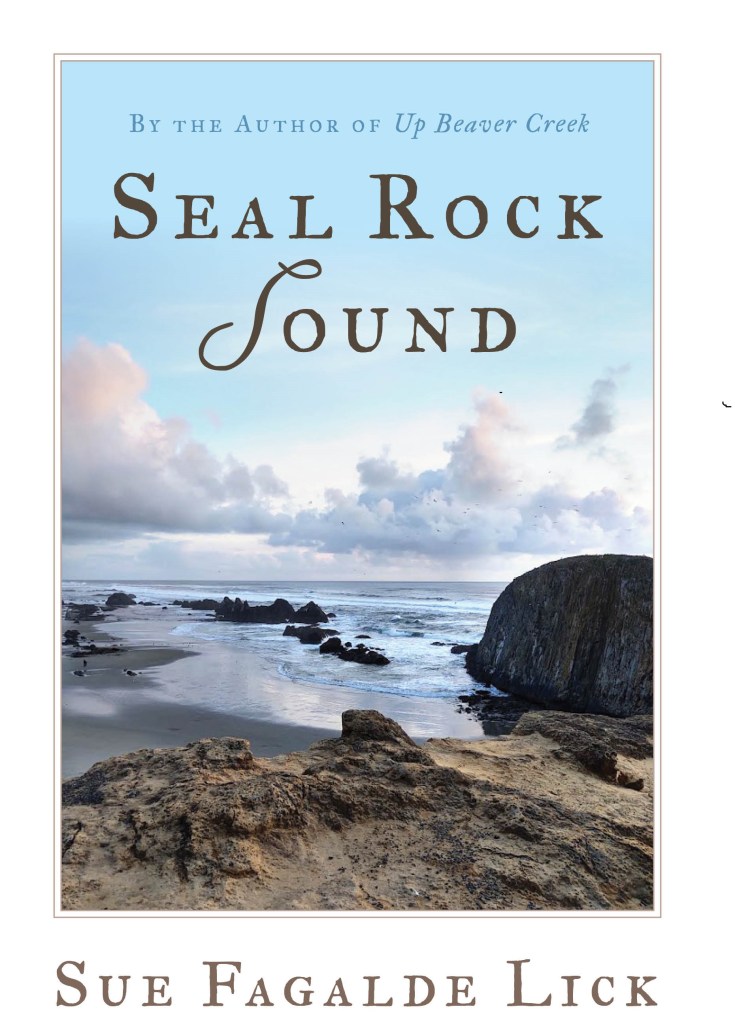
When I started writing my novel Up Beaver Creek, I did not intentionally make my heroine childless. She just came out that way, probably because I don’t have children. Her non-Mom status has not changed in the sequel, Seal Rock Sound, which has just been published.

Book cover for the novel Seal Rock Sound features an ocean scene with black rocks and fluffy white clouds tinged with orange.

I don’t automatically give my characters the full family package because I have never had that. A writer whose main identity is Mom might create people who either have children or are planning to. Often the happy ending includes a pregnancy announcement. My girl PD Soares will never be pregnant. In her case, she suffered through a bad childless first marriage, infertility with her second husband, and then widowhood when he died. Now 43, she’s sure she’ll never be a mother. But the question keeps coming up, as in these excerpts from Seal Rock Sound:

On a date:

Arlo delivers a basket of warm bread. Donovan grabs a slice and slides the basket over to me. “Did you ever want to have kids, PD?”

Yikes. I should have known this question would come up. Everyone expects a woman my age to have children. I nudge the breadbasket away, trying to resist the temptation. “Yes, we tried to have children. My husband and I could not seem to get pregnant. His sperm and my eggs just wouldn’t do the job. We were starting to look into adoption when he got sick.”

“It’s not too late.”

“Yeah, I think it is. I’m 43 and single. That ship has sailed.” Change the subject before you stress-eat all the bread in that basket. “How about you? Any children?”

“Well . . .”

Talking to a friend:

Cover for the novel Up Beaver Creek shows a peaceful river running through green trees and bushes. The sky is blue with a little white cloud in the upper right corner.

“It all washed away in one night. Now I have to support my family. Maybe in 20 or 30 years, I can paint again.”

I picture her in a bright room overlooking the ocean, painting on silk with delicate brushes. Her painting was like my music. Because I have no husband or children, I’m free to keep doing it.

“Helen, I’m so—”

She holds up her hand. “Don’t say sorry again. I know you are. But you don’t know how it is when you have a family to take care of.”

Ouch. But it’s true. “Can I buy you a blueberry scone and another cup of tea?”

She checks her watch. “Yes. Thank you.”

I return to the counter, order and top off my coffee. It’s time to change the subject.

Car-shopping:

I sink onto the black leather. I’m up higher than in my old car, but this one is considerably smaller than the rental I’ve been driving. I study the dash.

“They went for the whole package. It’s got Bluetooth, Wi-Fi, backup warning system, the whole shot. Plus four-wheel drive. The back seat folds down if you need to haul stuff. Do you have kids?”

I look at this cookie-cutter white guy in a suit. “No. It’s just me.”

“It’s great for dogs, too. I’ll bet you have a dog.”

 I’m not in the mood to tell him the story of my life.

At work helping a frightened teen who just got her first period:

I escorted her to the restroom and closed us up in the handicapped stall. It was crazy intimate for someone I had just met, but I got her “bandaged” up with a maxi pad and retied her sweatshirt around her waist so no one could see the drying blood on her pants.

As we washed our hands, she smiled at me. “I guess I remember some of my friends talking about this.”

“Sure. We all get our periods. Even me. It’s normal. You’re just becoming a woman. Soon your breasts will grow, and you won’t be a little girl anymore. It’s actually pretty cool.”

“Thanks, PD.”

“You’re welcome.” I hugged her and returned to my desk.

I couldn’t help thinking about how I could have had a girl that age if nature had cooperated. An ache bloomed inside me. I was never going to be the mom giving her daughter “the talk.” I would never see my little girl grow into a woman. Never send her off to school dances, help her with her spelling, attend her graduation and her wedding, or cuddle her babies in my arms. I blinked back my tears. Not here, not now. Just do the job.

I forced a smile at an old woman in pink sweats. “Hi, what I can do for you?”

***

Will I ever write a novel about someone who has children? Probably. The majority of adults are parents. Just as I used to do when I was writing articles for parenting publications, I’ll do my research. All of my characters can’t be just like me. If I want them to be doctors, police officers, or truck drivers, I have to find out what that’s all about. Likewise, if I want to create fictional moms. Meanwhile, I have added my books to the limited number of stories about people who don’t have children.

Up Beaver Creek and Seal Rock Sound are both available at Amazon.com and by order everywhere books are sold. I am available for talks and book-signings, live on the West Coast, via Zoom everywhere.

Do you have some favorite childless heroines from books or movies? Do you think we’re seeing more characters without kids these days? As always, I welcome your comments.

Processing…
Success! You're on the list.

‘You can just adopt’ and other childless ‘bingos’

I have just returned from the land of many babies, where I heard so many childless “bingos,” I need a new card. “Bingos,” if you haven’t heard, are the clueless comments people make about childlessness. If you’d like a good list of the typical ones, visit https://bingobaker.com/view/496736, where you will find a full bingo card of remarks such as “Don’t you like kids?” “Who will take care of you when you’re old?” and “Children are a woman’s greatest achievement.” We have heard a few of those, right?

Last weekend, I was in San Jose, California, for the Dia de Portugal festival, the first one since the pandemic began. I was there to see friends and family and sell books. It was incredibly hot, noisy, and crowded. The most popular booths were the ones selling beer and water.

At my table in the Portuguese authors section, I spread out my books: two on Portuguese Americans, two books of poetry, and my two books about childlessness, Childless by Marriage and Love or Children: When You Can’t Have Both.

People walked by. Some paused to flip through the pages of my Portuguese books, then walked on. Some bought copies. Some said, “Oh, I have that book. It’s good.”

We traded a few words in my limited Portuguese. “Bom dia” (Good day), “Obrigada” (Thank you), “Faz calor.” (It’s hot). A parade circled the plaza at the History Park San Jose where the festival was held. Singers sang, and folkloric dancers in red, green and yellow costumes danced. People passed by wearing the Portuguese flag design on shirts, scarves, hats, and even Covid masks. I said hello to Portuguese people I hadn’t seen in years.

Here’s the thing. I knew it was a Portuguese festival and most interest would be in the Portuguese books, but I didn’t expect some of the reactions I got to my childless books. Most who looked at them didn’t understand the concept of being childless by marriage. When I tried to explain, a woman early on responded, “Well, that’s no problem. You just adopt.”

“It’s not that easy,” I began, but she was gone.

A couple of the men snickered at my Love or Children title. “I choose love,” said one well into his beer ration. “Children?” He made a disgusted face.

The younger women all seemed to have children and/or be pregnant. The woman sharing my table, Higina da Guia, a nice writer originally from the Portuguese island of Madeira, was selling children’s books. Most of the books were bilingual, in Portuguese and English, intended for parents wanting to teach their little ones whichever language they didn’t know. Swell. But time after time, a woman would be looking at my books, and then her husband or friend would nudge her to look at the children’s books. They totally forgot about my grownup books.

I should note they showed no interest in my poetry either. Oh well. When I try to sell my Portuguese books in Oregon, people pass right by them. It’s all about context.

Higina’s daughter and granddaughter joined her. I watched as Higina wrapped the little girl in a red, white and black costume from Madeira. She was so excited to see the little girl in the skirt and vest passed through the generations of her family. “She will remember this forever,” she told me as the child posed for pictures. It was sweet, but it made me sad. I will never get to do that.

My brother came with his daughter and granddaughter, my niece and great-niece. I was so glad to see them and to have the validation of family sitting with me for a while. I love being Aunt Sue. It’s not the same as being a mom, but it helps. I don’t see them often enough. I shed a few tears when they left.

Helping me in my booth was my sister-friend Pat, a mother and grandmother whose claims to anything Portuguese are that she grew up in Massachusetts with lots of Portuguese people and that she once dated a Portuguese guy. She had a great time talking to everyone and people-watching. I noticed she reacts to children the way I react to dogs, as if they are magic and she has a special connection with them. It’s one of many things I love about her.

But I learned a lesson. When I take my childlessness and my childless books out into the world, I can expect many bingos, especially in an old-country culture where not having children does not seem to be a “thing.”

Living in a retirement community where I don’t see many kids, I forget how it might be for you where you live, especially if you’re at an age where your friends and family are busy with babies and growing children.

Where do you hear the most bingos? Is there a situation where it’s especially hard to not have children? Let’s talk about it. I welcome your comments.

Processing…
Success! You're on the list.