childfree
What’s the big deal about childlessness?
Not having kids means I’m free to be me me me
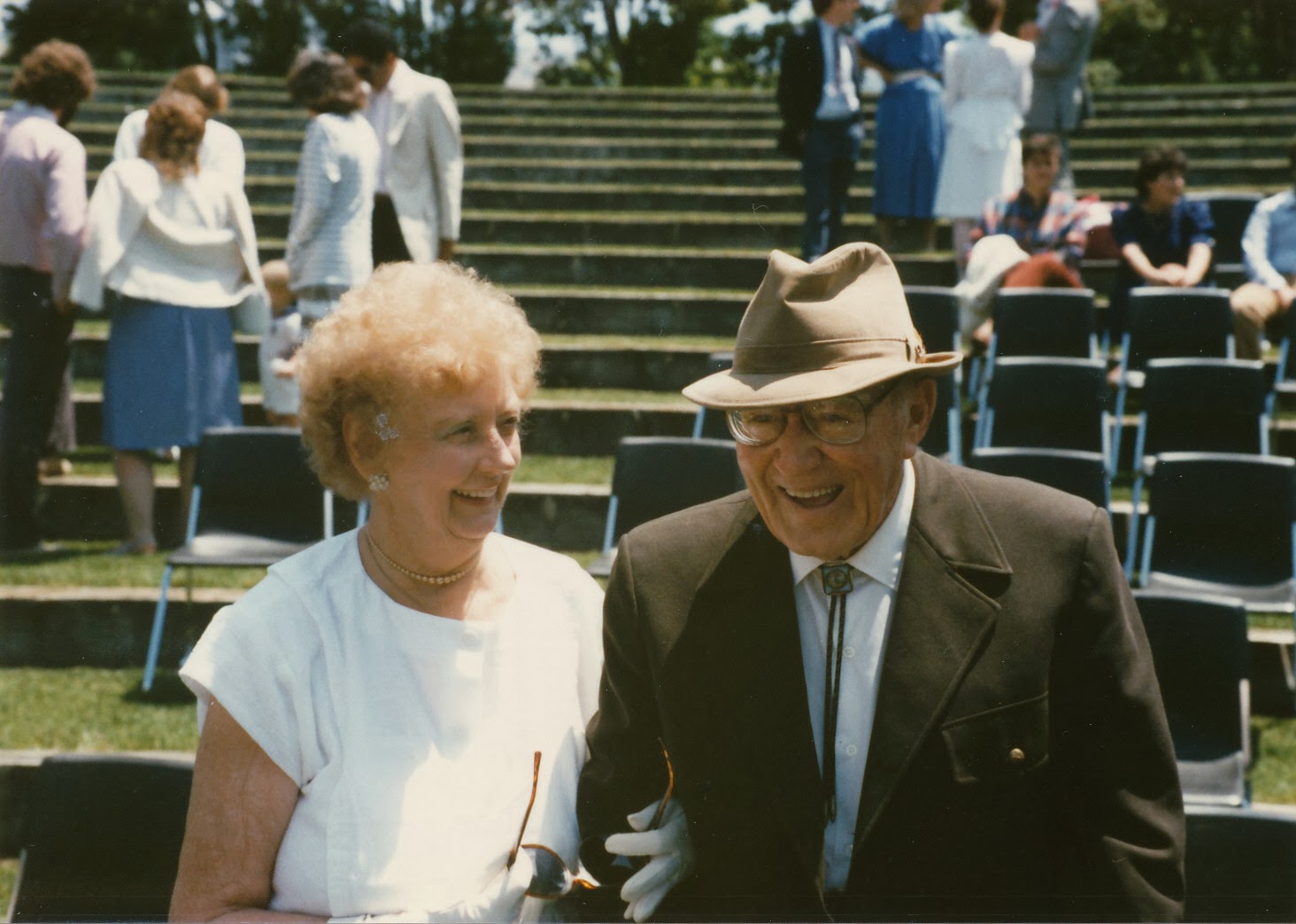
Remembering “Gramma” Rachel
![]() |
|
| Rachel and Clarence Fagalde at my wedding in 1985 |
Book predicts decreasing birth rate will lead to disaster
What to Expect When No One’s Expecting: America’s Coming Demographic Disaster by Jonathan V. Last, Encounter Books, 2013.
After years of hearing that we have too many people on this planet and that we have to decrease our population, here comes Jonathan V. Last to tell us that if we don’t start having more children, we’re in trouble. We’ll have a population of old people with no young ones to support them. Other authors tell us the exact opposite. Whom should we believe? This book is a slow read, a scholarly compilation of statistics that show the birth rate going down below replacement level in most first-world countries. Last blames it on many factors of modern life, including the cost of raising children, women going to college and having careers instead of babies, the decline of marriage and religion and the general belief that having children will take all the fun out of life. He details the efforts, mostly unsuccessful, that have been made to encourage people to have more children and makes suggestions for how to encourage more births. Last has a strong conservative bias and occasionally laces this footnote-fest with sarcasm, but there’s a lot of interesting information here, and it certainly provides food for thought.
There’s no doubt the birth rate has been going down. In some countries, such as Germany and Japan, the population is shrinking at a rapid rate. The question is whether this is a problem. I had this book with me at the doctor’s office a couple days ago. When I showed my doctor the cover, she exclaimed that a smaller population is a good thing, that this world has too many people in it. That’s what most people think. Just visit any large American city at rush hour. Wouldn’t fewer people and more open space be good? Yes, we’d have to work out how to manage things like Social Security with fewer workers contributing to it, but wouldn’t it even out in time?
And how does this affect our individual decisions on whether or not to have children? Certainly overpopulation is often cited by the childfree crowd as a good reason not to have kids. If we’re to believe Jonathan V. Last, anyone who has more than two children should be rewarded with tax breaks and other incentives. But Laura Carroll maintains in The Baby Matrix, reviewed here in February, that couples should be given tax breaks for NOT having children.
So what’s the answer? I think if you want to have children, you should have them, and if you don’t want them, don’t have them. The population will sort itself out.
What do you think?
Book review: The Baby Matrix
The Baby Matrix: Why Freeing Our Minds from Outmoded Thinking About Parenthood & Reproduction Will Create a BetterWorld by Laura Carroll, Live True Books, 2012.
Laura Carroll, who previously published Families of Two, about couples living happily childfree, has put together an absolute encyclopedia about why the “pronatalist” viewpoint that tells us that everyone should have children is no longer valid. We don’t all need to have children, especially in a world suffering from overpopulation, she says. Although I disagree with some of her points, I have to admire this well-written and deeply researched book that I will keep handy as a reference from now on. Carroll challenges common assumptions such as the idea that people need to have children to be fulfilled, mature, happy, and cared for in their old age. Furthermore, she says that parenting should be a privilege for which people must prove they are qualified. People should be rewarded for not having kids instead of getting tax breaks for having them. Maybe, maybe not, but there is so much information here. Want to know how many childless women there are in Finland? It’s here. Want to know what sociology texts tell college students about marriage and children? It’s here.
Will this book help you if you’re in a childless-by-marriage situation? I don’t know. Carroll does not specifically say anything about couples where one wants children and the other is unable or unwilling to have them. But if it’s looking like you are probably not going to have kids, this book may make you feel a lot better about it.
If you disagree about children, is your relationship doomed?
Is it possible for a relationship to work when one partner wants children and the other doesn’t? This is the question that is still resonating in my head days after I finished reading Kidfree & Lovin’ It (reviewed Jan. 2). The opinion of most of the people author Kaye D. Walters surveyed is that this is a deal-breaker, that compromise is impossible, that the relationship is doomed. They say it is better to break up than to have a child you don’t want—or force a child on someone who doesn’t want to have children. Don’t date, don’t marry, don’t pretend it’s okay; it won’t work.
Book review: Kidfree & Lovin’ It!
Happy New Year! I hope your holidays were good and wish you all the best for the new year. This morning I finished reading one of the newer books on the childless life, so I’m sharing my opinion. In the interest of full disclosure, I am quoted once, on page 20, as someone who regrets not having children, and the author gave me a small discount on the purchase price. This has not influenced my review in any way.
Stepparenting: A Bummer and a Blessing
In the Childfree community, there’s a lot of talk about how having children can mess up a marriage. Check out the new book Being FruitfulWithout Multiplying or any “childfree” website for lots of testimony from writers who cite that as one of the reasons they didn’t want to have children. There’s no question that having a baby can lead to sleepless nights, attention going to the child instead of each other, endless expenses, and physical and emotional changes.
Being childless has its blessings
We often mourn here about what we don’t have and the grief we feel over our lack of children. But it’s important to look at the flip side, too. Because we don’t have children to take care of, we have a lot more time and freedom to devote to other things that are important to us.
Most of our marriage, Fred and I were able to do things that parents can’t do as easily. We traveled a lot. We did not have to worry about taking the kids along or going places that children would enjoy, and we had enough money because we weren’t taking care of children. We went antiquing a lot. We bought things that maybe parents of young children couldn’t afford. I went back to school and got my master’s degree. If we had children, we would be paying for their education. We were able to go out whenever we felt like it: lunch, romantic dinner, shows, hiking, without worrying about babysitters or school schedules. I was able to go away as needed for work.
We were “childfree,” a word that makes me cringe, but not having children does give us freedom to concentrate on adult things. I could not have done all the things I have done in my life if I had to take care of children. I believe I would gladly make the sacrifice in exchange for the chance to be a mother, but I have to remember the blessings, especially this time of year when I’m missing my husband and feeling awfully alone.
Let’s all stop and think of at least five things that we can do because we don’t have kids. Take comfort in the blessings we do have. Feel free to share here.