Without Kids, Will You Spend Your Holidays Alone?

Dear friends,

Today, I’m sharing a revised version of a post I wrote for my “Can I Do It Alone?” Substack on Easter. I don’t dwell on childlessness there, but the sad truth is that if you don’t have kids, you may wind up alone in old age.

I’m watching “American Idol” on TV and crying. All those weepy moms in the audience remind me that I will never have a child to love and support like that.

It’s Easter. I have been trying hard to be Zen about not having a family to spend the holiday with, but now the reality is sinking in.

This afternoon, a niece posted a photo of my sister-in-law surrounded by her grandchildren in front of a homemade birthday cake. They had gathered for a combined Easter/birthday celebration. The kids didn’t have to be reminded and cajoled to do something for their mother. They just did it. I am happy for her. She works hard taking care of those kids and my brother.

On my last birthday, which was better than average, I went to my weekly open mic, where my fellow musicians sang to me and made me feel loved. At church, having read my posts about my upcoming birthday, our videographer brought me flowers. My neighbors invited me over for supper. It was a little uncomfortable because there were four of them and one of me. But it was kind of them, and we had fun.

I couldn’t help thinking people felt sorry for me because I was alone. Hell, I felt sorry for me.

If I didn’t say a word, who would think to do anything? And when was the last time someone baked a cake for me?

Back to the moms in the “American Idol” audience. I started wondering what my kids would be like. Would I have a pretty daughter like my niece or a tall son who would adore me and take care of me? Would they add in-laws and grandchildren so my family could be as big as my brother’s? Would I never spend a birthday or holiday alone? Would I bake cakes for their birthdays?

Excuse me while I fetch some Kleenex.

Yes, I know. I could have children who would not show up for me. Several of my parent friends spent the holiday alone because their kids were busy, lived far away, or they weren’t getting along. Some people’s children have died; surely that pain is worse than anything we might feel about never having them. Babies don’t come with guarantees.

I had three stepchildren. When my husband died, they slipped away. What little I know about them these days is posted on Facebook. What if I had tried harder to keep in touch, to be part of their lives? Would they have let me? I don’t know. I didn’t know how to be a mom, especially when my husband wasn’t enthusiastic about being a dad, but I think I blew it.

By choosing Fred, I chose a life without children of my own. He was a wonderful husband. We were so in love. Who knew he’d have early-onset Alzheimer’s and die at the age I am now? I thought he would be with me for at least another ten years.

At the top of my to-do pile is my health care advanced directive form, which specifies what I want done in a medical emergency if I can’t speak for myself. It has spaces to list the people who will speak for me. It has been on that pile for months. Besides my brother, who lives 700 miles away, I still don’t know who to choose as my alternate representative. If I had children, I’d put their names down and expect them to do it.

Who else would care enough to hang around a hospital making life and death decisions for me? I have friends, but do I have the right to put that kind of responsibility on them? Should I recruit one of my cousins, the cousins I only see at funerals? What if I put out a call for volunteers? Would anyone respond? I’m stuck.

I will figure it out. I will find someone, even if I have to pay a professional. I just learned there are “nurse advocates” who will step in if you don’t have family to speak for you. But I’m jealous of those people who can call on their grown children for everything from Easter parties to rides to the doctor to managing their affairs when they can’t do it anymore.

When a couple has children, it starts with one baby but grows into a family, with young ones to replace the older ones who pass on to the next life. If you give that up for the love of one man or woman and they leave or die, you will be alone. On Easter. Christmas. Your birthday. The anniversary of your husband’s death. The day you win a prize. The day the doctor says you have cancer.

Many people happily choose not to have children and are confident they can deal with their childfree future. Others are physically unable to get pregnant or carry a pregnancy to term, and they will feel the loss all their lives.

For those of us who are childless by marriage, who have choices, we need to think very hard before we put all our eggs in the no-kids basket. If your partner is able but unwilling, talk to them about what will happen if they are gone, and you’re left alone. If they really love you, maybe they’ll change their minds.

I know this is a weird post, but it’s what I’m thinking about this week.

How was your Easter? Was not having children an issue for you? Have you thought about what will happen when you’re older?

Image generated by AI

***************************************************************************************************************

At my “Can I Do It Alone?” Substack, we talk about all sorts of things related to living alone. Come join us at https://suelick.substack.com.
Processing…
Success! You're on the list.

‘You’re so lucky you don’t have kids’–Are we?

“You’re so lucky you don’t have kids” is one of the themes for next week’s World Childless Week. On Friday, Sept. 15, the Childless Elderwomen, including me, will discuss old age without children, a topic that scares the heck out of most of us. 

Are we lucky? Let’s be honest. Sometimes we are. We’re not crawling out of bed early to make lunches and drive the kids to daycare or school, spending all our money on children’s clothes and school supplies, or having every attempt at an adult conversation disrupted by a kid who demands our attention. Mom! Mom! Mom! Dad! Dad! I’m bored! 

But we’re also not having a little one snuggle with us and say, “I love you.” We’re not seeing our family traits reproduced in our children. We’re not saying “my son” or “my daughter” with pride.

We’re not worried every minute that our children might be sick, hurt, scared, or in trouble. 

But we’ll never have adult children who worry that WE might be sick, hurt, scared, or in trouble. I know some kids leave the nest and never look back. But there’s a good chance they’ll be around.

Lucky? Yes, I have time to work from dawn to bedtime without interruption. I only have to take care of myself and my dog. But that feels more like a consolation prize. 

We offered our lives to a partner who couldn’t/wouldn’t give us children. If that partner is still with us, they will take care of us, and we will take care of them. But what if they’re gone, or what if we never had a life partner? What if we are what some call an elder orphan? Parents gone, no spouse, no kids.

My brother visited me last week. He has a wife, two kids, and three grandchildren. The chain of people looking out for “Papa” is clear. Not so much for Aunt Sue. We huddled in the den and talked about aging and death. I handed him an envelope with all of my financial information, my wishes if I die, and a draft of my obituary. We talked about wills, powers of attorney, and health care representatives. If I’m suddenly unconscious, who will be legally allowed to take care of things? It needs to be clear and official because my nearest family member lives 700 miles away. 

We talked about who I would leave my money to, about stepchildren and his children and charities I could fund. We talked about setting up a trust. With no obvious heirs, I’m free to do what I want with whatever’s left. Lucky? Maybe.

We talked, too, about who will handle things if he dies first. The possibility breaks my heart, but I may have to pay a professional, someone who doesn’t even know me. 

Enough doom and gloom. But I want you to consider this visual image. A photo of my brother’s family has seven people in it. There will be more as the young ones marry and have their own kids. The photo of my family has just one person: me. 

Lucky? An old Janis Joplin song says, “Freedom’s just another word for nothing left to lose.” 

There are advantages and disadvantages to not having children. I’m heading out of town today. I’m not taking a rambunctious three-year-old. Lucky. No one will ever call me “Mom” or “Grandma.” Not so lucky. 

What do you say when someone says “You’re so lucky not to have kids.” 

Are there words for that? Or do we just stare at them with a look that says, “You have no idea.” 

Join us next Friday for the Childless Elderwomen talk, hosted by Jody Day. It’s at noon Pacific time. The website will help you find your time. Register at https://gateway-women.com/gateway-elderwomen/. Attendees are not visible on the screen, so you can be totally anonymous. 

Visit https://www.worldchildlessweek.net for the full schedule of events. 

Processing…
Success! You're on the list.

Childless photographer asks: What Will Your Legacy Be?

Dear friends, 

This week I have asked my friend Kristin Cole to tell us her story and discuss the Legacy Project she is working on. Says Kristin: “There are many reasons women have children. There are even more reasons why women do not. I’m interested in focusing on one aspect of not having children, either by choice or circumstance, and that is the concept of legacy. What legacy do childless women leave behind? I want to explore this subject and facilitate the creation of legacy through the sharing of women’s stories through images and words.”

Kristin is childless by choice, but her words about what we will leave behind certainly apply to all of us, whether or not we chose to live without parenting. 

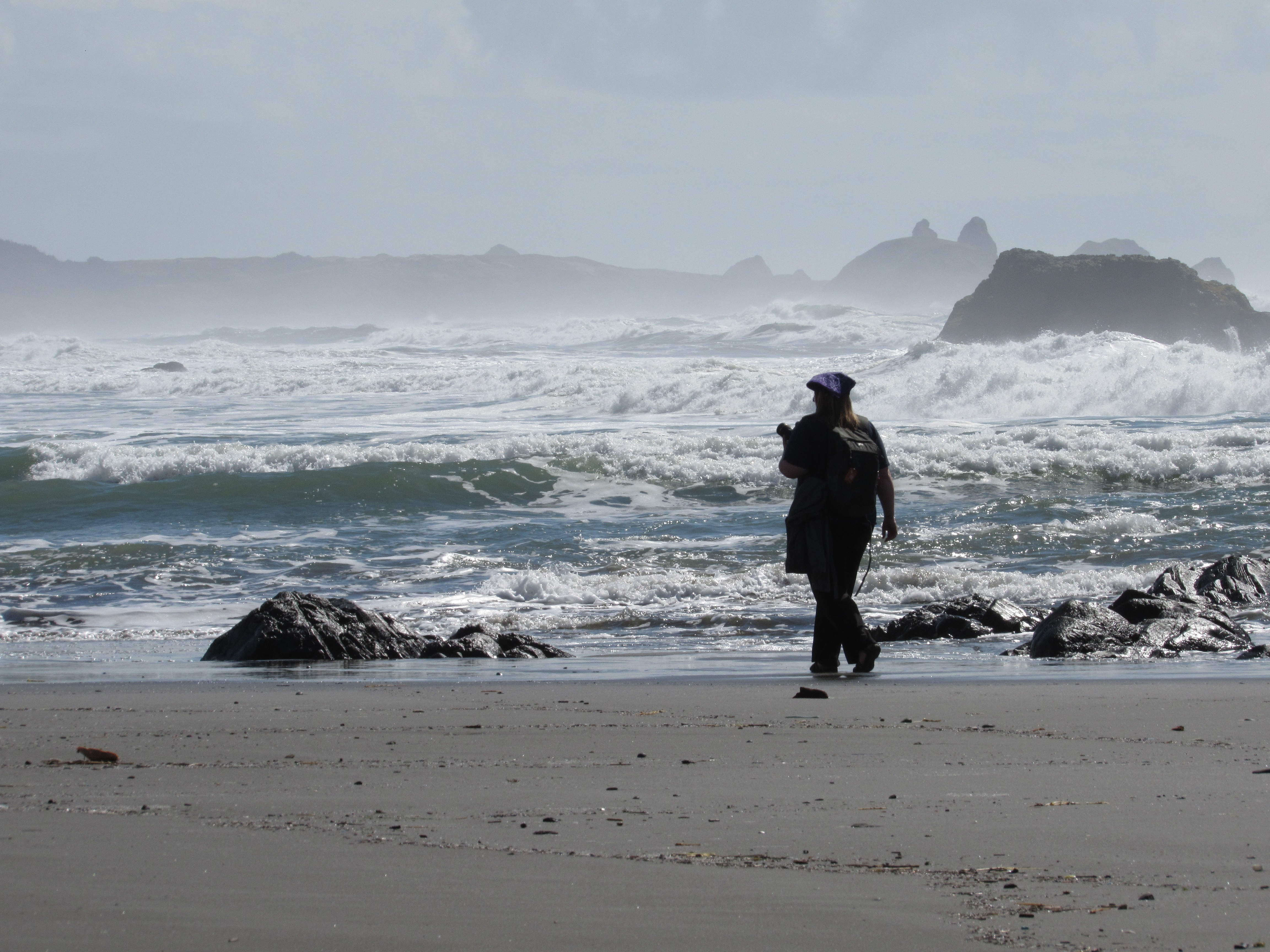
Kristin on beach

What will Your Legacy Be

By Kristin Cole

I began to think about my life and the larger impact it could have in my mid-twenties. Through my role at the National Credit Union Foundation in Madison, Wisconsin, I met people from all over the world who were living both big and small, yet passionate and meaningful lives. They had the most inspiring stories of travel, volunteerism, cultural experiences, and good will. They were affecting real change in real people’s lives.

It was difficult not to take a hard look at my own life at that point and see that I had been going down a rather insignificant path, that there was so much more I needed to do.

I first considered the idea of “legacy” a few years later. Keeping true to my new vision of what I wanted for my life, I started a new career as the manager of a small animal shelter. Because I had never done this kind of work before, I reached out to other shelter leaders. One of them asked me something that has stayed with me ever since: “What do you want your legacy to be?”

The dictionary defines the term “legacy” as “a gift or a bequest that is handed down, endowed or conveyed from one person to another. It is something descendible one comes into possession of that is transmitted, inherited or received from a predecessor.”

There are all sorts of ways one leaves a legacy. Some people do it through their children by passing down traditions, history, and values. Loudon Wainwright III did an excellent job of portraying this type of legacy through a recent Netflix special entitled Surviving Twin in which he intertwined his music with his father’s writings and letters to show the story of four generations in his family.

Others may leave their legacy through their careers or political work and some by their societal contributions or art. Think of women like Eleanor Roosevelt, Susan B. Anthony, Rosa Parks, Ruth Bader Ginsburg, Emily Dickinson, Amelia Earhart, Helen Keller, Harriet Tubman, Maya Angelou, Gloria Steinem, and Jane Goodall.

Kristin and Cole
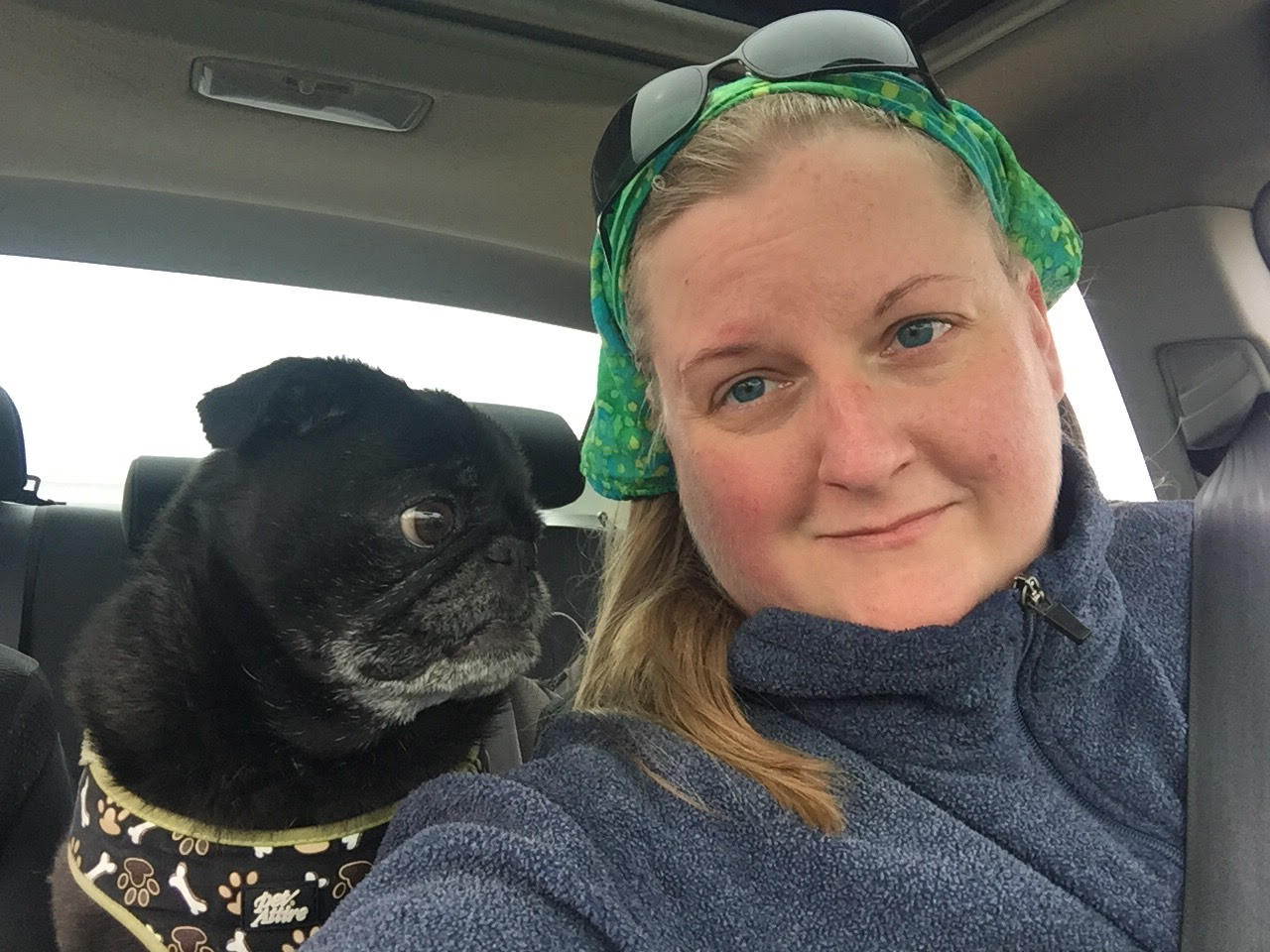
Kristin and her pug on the road

I can’t help but wonder when I’m gone, what my life will have meant, if anything at all? I hope that I am remembered as someone who was passionate and who unapologetically lived her dreams. I’d like to be known as the kind of person who wasn’t afraid to take chances, who lived boldly but was also compassionate and honest.

I hope that I will be remembered as someone who inspired others to explore, create, and follow their own curiosities down whatever path they took them on. I would like my life to have been one of authenticity and that it be known that my most valuable gift was the time I gave others. I hope that my photography and writing will help carry my legacy forward. I don’t know if any of these hopes will come to be known after I’m gone, but one thing I do know for certain is that whatever my legacy will be it will never be carried on through my children, for I am someone who chooses to remain childless.

Choosing not to have kids is often considered selfish in our society, and I suppose that is true in the literal interpretation of the word, but we only get one life, after all, and who else do we owe to live it for other than ourselves? Doesn’t it make the most sense to live it in our own way on our own terms? And so, I have.

I have purposefully kept myself free of long-term commitments such as owning a home or having children. I try to keep my debts and possessions minimal. Doing so has given me the freedom to take risks in my career and the ability to live wherever I want. It’s how I find myself living in Oregon right now.

I fell in love with the area when on vacation eight years ago. A few years after that vacation, I found my life in an interesting place. I was still living in Wisconsin but losing the passion I once had for the work I had been doing for a farm animal sanctuary. A romantic relationship that I thought was going to last a long time ended unexpectedly. Shortly after that, my grandfather lost his battle with Alzheimer’s. It became painfully clear to me, as I stared at a photo at his funeral of his younger self in front of some mountains in Colorado, that life is all too short. I remember saying to myself, “What are you waiting for?!?” Before long, I found myself saying farewell to Wisconsin and moving across the country to Oregon to pursue my passion for photography.

I’ve been living in Oregon almost five years now and it has been a truly transformative time. From the places I’ve explored to the people I’ve met, I’ve learned so much about myself and what I’m capable of. I’ve also clarified further what is most important to me as I quickly approach the next phase of my life.

Kristin's lady
Legacy Project: Jean Rosenbaum

In the past year or so, I’ve been thinking a lot about the variety of ways childless women contribute to the world and what sort of legacies are being born from their journeys. I suspect there are many inspiring and interesting stories of seemingly ordinary women just waiting to be told. That realization leads me to pursue my latest photo essay project, Legacy. I started searching for childless women aged 65 and older who, through interviews and photographs, share their life’s story to show us what a life, despite or because of being childless, can look like when it is well-lived. The essays not only include their reflections on the subject of legacy and childlessness but also on all the events that make up the sum of their lives to date as well as their thoughts about what the future holds.

In our digital age, for better or for worse, it is possible to create something that lasts forever, which is why I believe a photo essay is a perfect medium for this project. Even when I think about my own great-grandmother, I have little understanding of who she was and what her life was like. There is so much we can gain from one another, so I hope this project helps facilitate a more lasting form of legacy. I view it as an opportunity for women, regardless of the reasons behind their childlessness, to tell their stories and let their lives speak.

Through sharing their hopes, failures, accomplishments, regrets, and lessons learned, they can impart wisdom to others. They can assure us that sometimes it’s acceptable to walk away or to change our minds. That we don’t have to have it all figured out all the time. That a meaningful life does not always come in a perfect package or with a happy ending but that above all else, our lives are valuable, and our stories are worth sharing.

Maya Angelou said, “I’ve learned that people will forget what you said, people will forget what you did, but people will never forget how you made them feel.” Let your life not only touch others in a way that is difficult to forget, let your legacy live forever through images and words that will reach countless generations to come.

Kristin Cole is Midwest transplant currently living in Portland, Oregon. She enjoys road tripping with her pug sidekick and sharing the beauty of the Pacific Northwest through her photography and in her blog, Misadventures of a Nature Junkie. More information about her Legacy project can be found at http://www.KristinColePhotography.com.

***

MERRY CHRISTMAS TO ONE AND ALL! DON’T LET THE CRAZINESS GET YOU DOWN.


Who will sit by my hospital bed?

After a busy day of playing music for a funeral—lovingly arranged by the deceased’s grown children and grandchildren, having lunch with a friend in her 30s who has no interest in marriage or children—“I honestly don’t like kids”—and playing the piano for a Saturday evening Mass at which my three singers were all older women whose lives are completely wrapped around their offspring, I received a text message that upended my life.

My father fell on March 25 and broke his leg. It was a bad break, above the knee on the same leg where he broke his hip three years ago. When I first got the text from my brother that Dad was in the ER getting x-rayed, I hoped it was for something minor like a broken finger. No such luck. It was a bad break, requiring surgery, and Dad is less than a month away from turning 95. We don’t know whether it will heal properly. He expects to return to living on his own in the house where we grew up, but that seems unlikely at the moment. Thank God he had his cell phone in his pocket, or he might still be lying on the kitchen floor.

I spent the last week in San Jose, California, mostly sitting by his hospital bed listening to him talk and interacting with doctors, nurses and aides. My brother was there for the first three days, but he had to go home and back to work. My schedule is a bit more flexible. I was the one helping Dad transition from the hospital to a care home where he will continue to recover and work with physical therapists to get moving again. Right now he’s pretty much confined to his bed. While I was there, I could fetch the phone, the urinal, his glasses. I could run out to get help when no one responded to his call button (all too often).

When not with Dad, I was at the house, cleaning years of gunk off every surface, collecting the mail, paying bills and answering phone calls, emails and texts. It’s a house full of memories. Many of my mother’s things are still there, although she has been gone almost 15 years. In the mornings, I sat in her chair by the front window and wrote. In the warm afternoons, I sat in the back yard in the patio that my father built, looking at the lawn he planted and the sidewalk he put in around 1950. I don’t know what’s going to happen to the house now, but I’m anxious to take care of it. Hard to do when I have my own house 700 miles away in Oregon.

I’m the daughter. It’s my job to drop everything to help my father when he falls. Walking up and down the halls of the care home, I see other daughters and sons doing the same thing. One can’t help but wonder who will do this for me. My brother, yes. If he’s alive and able. My friends? Maybe, but not to the extent that my brother and I have been doing. My niece and nephew? I don’t see them helping their grandfather; would they really help me?

I pray that I will never be in Dad’s situation. Nursing homes are not fun. Hospitals are not fun. If I do wind up in such a place, I hope I will have enough money to pay for extraordinary care. I may have to depend on the kindness of strangers.

It helps to have children, but as everyone says, even if you have kids, you can’t count on them to help. Even if they want to, they may live far away like my brother and I do. Today as I type this, Dad is at the mercy of the staff at the care home because we both had to go back to work. We just pray the professionals are kind and efficient and know what they’re doing.

Dad was doing the dishes when he fell, breaking his leg and hitting his head on the wall on the way down. Here in our community, a young woman named Tracy Mason was driving to work early one morning last month when a truck slammed head-on into her car. Almost every part of her is broken. She has lost part of her vision, is struggling to keep her left leg. One minute she was having an ordinary day; the next she was helpless in a hospital bed in Portland. Everything can change in an instant.

If you don’t have children, start cultivating relationships with friends and family members. Arrange the paperwork so they can help you if something happens. And make sure you have good insurance. Then enjoy today as it is, however it is. If you are able to walk, talk and take care of yourself, life is good.

Thank you for your patience with this slightly off-topic post. It has been a long week and a half. If you’re into praying, I’d welcome your prayers for my dad and for Tracy.

As always, I welcome your comments.


"Growing Old without Children"

Last night I was part of a panel discussion at Huffington Post Live about facing old age without children. The other panelists were Sharon Kovacs Grue, an estate planner from New York, Joanne Lema, founder of AfterFiftyLiving.com from Massachusetts, and Kelly Dunleavy O’Mara, a childfree writer from California.

We each talked from home via “Google hangout,” which was a new and interesting experience. I’m going to have to work on getting a better angle for my webcam so my eyes don’t look like I’ve got them closed, but it was amazing to sit at my desk and talk to people all over the country. On the phone afterward, I had trouble explaining this to my father who kept asking things like whether a film crew came to my house. Uh, no. It was just me and the dog. Amazing.

It was an interesting discussion in which we concluded that life is a gamble and even if a person has children, she can’t count on them being around to help in old age. Maybe she shouldn’t even expect them to. Lema said she taught her children to be independent and take care of themselves, and she tries to do the same. We all agreed that, childless or not, it’s important to prepare for future challenges by setting up insurance, wills, advance directives and power of attorney, as well as maintaining connections with friends or family who will jump in when needed and know what to do. We were mostly talking about people over 50, but nobody knows what’s going to happen in life, so it’s good to be prepared at any age.

There was so much more to say than we had time for. I wanted to get into a discussion about the emotional aspects of aging without offspring, but mostly we talked about medical emergencies, nursing homes, finances and that kind of stuff. Some of the comments suggested we were all childless by choice. Nope.

I’d love to hear your thoughts.