Accepting a Childless Life Should Not Be a Crime

It’s illegal now in Russia to advocate a childfree life. Anyone who spreads “propaganda against childbearing” can be fined. Any content in films, advertising, media, and other online platforms that shines a favorable light on life without children is prohibited.

Russian President Vladimir Putin signed these provisions into law in November.

Russia is one of many countries where the birthrate has dropped, causing fears that soon there will lots of old people with no young people to care for them or to keep the country going.

Other nations, including the United States, are experiencing the same problem but haven’t done anything as drastic as Russia’s new law. They lay the blame on the childless by choice, but let’s be real. Far more nonparents are childless by circumstance than by choice. We don’t have kids due to infertility, physical or emotional health problems, lack of a willing partner, or lack of the financial means to support a child. We would like to have children but, for whatever reason, we can’t.

Is it wrong that after grieving our loss, we seek to put a positive spin on the situation? Even some of the posts I have written here suggesting ways to enjoy life without children might be illegal under Russia’s new law. Would it be a crime to name the many highly successful people who never had kids?

Thank God we don’t live in Russia.

And yet, we can detect the same attitude in our own countries, can’t we?

Remember U.S. Vice-President-elect J.D. Vance and his comments about how “childless cat ladies” don’t have a stake in the country’s future?

Entrepreneur/Trump advisor Elon Musk recently wrote on Twitter in regard to dropping birth rates: “Instead of teaching fear of pregnancy, we should teach fear of childlessness.” He suggested the low fertility rates stem from a cultural hostility toward pregnancy and child-rearing. “We need to stop scaring women that having a kid destroys your life.”

Well, let’s put some context on that last bit. When I was young, yes, our parents told us the worst thing that could happen, short of dying, was to get pregnant outside of marriage. It was the sixties, when unwed mothers were still being hidden away and forced to give up their babies for adoption. And yes, having a baby when you’re young, with no education and no husband, can throw a monkey wrench into your plans, but that’s not what Musk is talking about. He’s buying into the common myth that all of us without children are simply selfish.

This attitude isn’t new. Churches, families, friends, co-workers, and clueless strangers have been after us forever with questions about why we don’t have kids and when we’re going to get with the program. They imply that we’re immature and thinking only of ourselves, defying God’s will and depriving our parents of grandchildren. And now, we’re also unbalancing the population. Most of us feel bad enough without all this guilt and misunderstanding.

Birthrates are falling around the world, and many countries, including the U.S., are doing what they can to encourage more babies by offering tax credits, increased parental leave, and better daycare options. That’s all good, but it’s important to acknowledge that some people don’t have a choice and are grieving the loss of the children they might have had. If, like many of us here, we choose childlessness by partnering with people who are unable or unwilling to have babies with us, that should be no one’s business but our own.

Nor should it be a crime to come through the hard decisions and declare that life without children can be happy and fulfilling. Or that we make valuable contributions because we are not busy raising kids. Look at all the famous writers, artists, scientists, and government leaders who never had children.

I sense a growing belief that nonparents have been preaching to the younger generation that kids are a pain and they’re better off without them. That’s not true for most of us, but there’s nothing wrong with letting kids know they have choices, and that parenthood is not required for a good life.

Russia’s reaction is extreme. I don’t expect any other countries to pass similar laws, but the anti-childless attitude is spreading. All we can do is tell our truths and hope people listen.

I hope you are all off to a good start for the new year. Has your childless situation or your feelings about it changed with the coming of 2025? Please share in the comments.

You may also want to take a look at my Substack, “Can I Do It Alone?” which explores how those of us without partners or children can live our best lives.

If you feel inspired to write a guest post, please get in touch.
Processing…
Success! You're on the list.

When People Having Babies on TV Make You Cry

The other day, looking at Facebook videos, I came across a bit from an old sitcom where the husband and wife walk in with their newly adopted son. The family weeps with joy. Finally their dreams have come true.

Then the new mother quotes the old line about how sometimes after people adopt, they get pregnant with a baby of their own. Well, guess what?

“You’re not?”

She nods, tears streaming down her face. “I am.”

More crying, more hugs, more joy. End of scene.

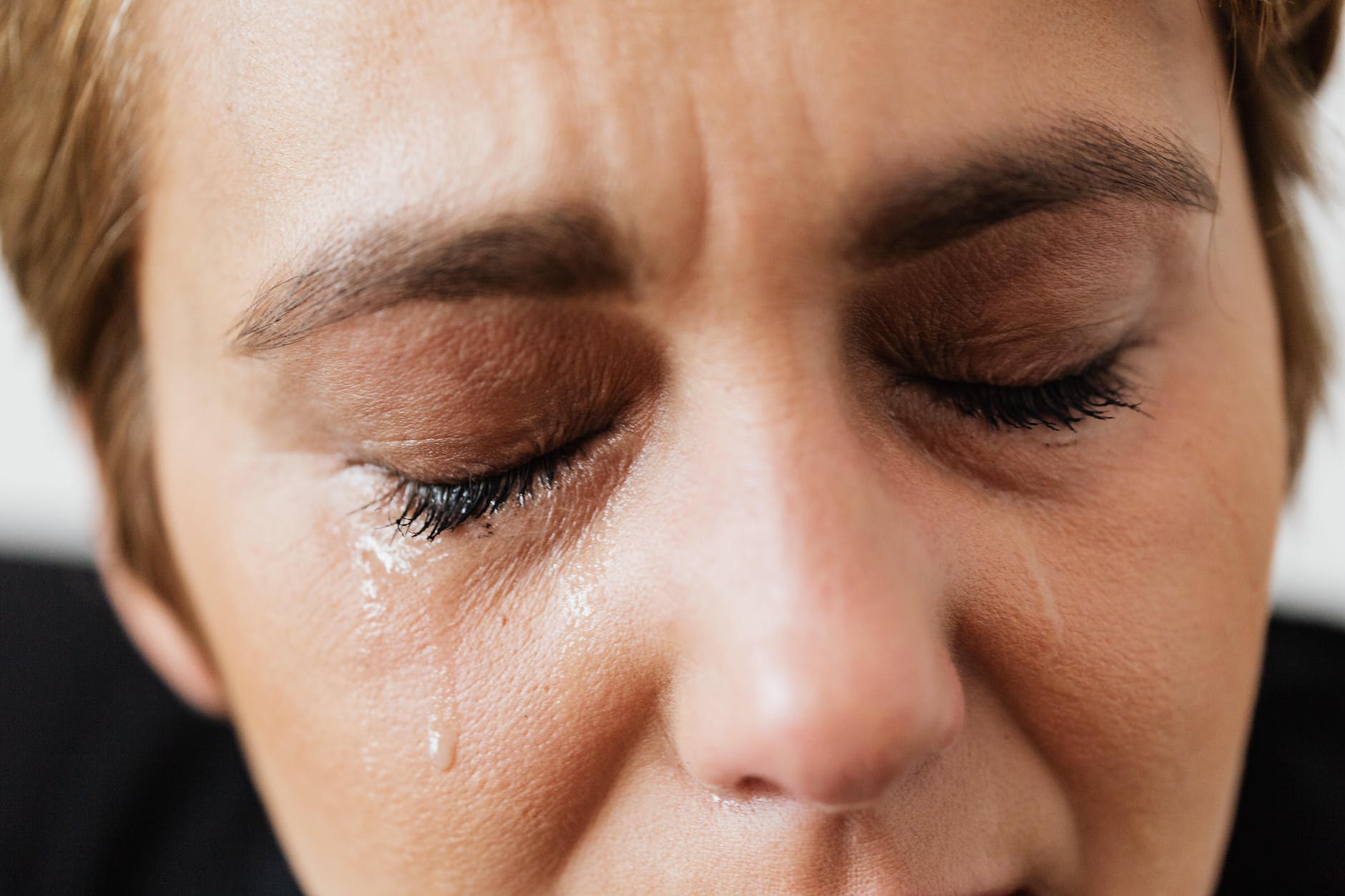
I’m sobbing. Again. My afternoon is trashed. After all these years. My husband will never look at me that way. My parents will never be overjoyed to become grandparents to my kids. I will never be able to appoint a friend or sibling as godmother. I will never hold my own baby in my arms. (And yes, I will not have to wake up five times a night when she’s crying.)

I’m not telling you this so you can feel sorry for me. I watched a movie, ate dinner, and got over it until the next time. This is not about me. I want you to consider how you react.

The tears I shed every time someone has a baby on TV or in real life are not planned. They are a visceral reaction that shows me how important it was and is to me that I never had children. It’s a loss, just like the people in my life who have died. I can say anything I want: Oh, I never had time for them anyway, my man was worth the sacrifice, my life is good, I’ve got my dog, kids can break your heart . . . . I can tell myself and everyone else that it’s cool, I’m okay with it. My sudden tears on an otherwise happy Sunday afternoon tell a different story. It’s worth paying attention.

Some of you are still trying to decide whether to stay with a partner who is unable or unwilling to have children with you. Now, when you can still do something about it, is the time to pay attention not just to the words, but to your gut. All the pros and cons in the world will not give you the true answer. No one else can figure this out for you.

When someone announces a pregnancy or shows off their baby, how do you feel? Are you sad for the rest of the day? Or angry, banging doors and pots and growling at the people around you? Can you calmly say, “Congratulations” and go on with your day unscathed?

There’s your answer.

If you need to change your situation, change it. Or at least reconsider while you have time: Can I give up children to spend the rest of my life with this person? If the answer is no, fight for what you need, whether it’s adoption, fertility treatments, or a different partner. Or get used to weeping over TV babies.

That’s my tough-love advice.

I welcome your comments, even if you want to yell at me.

Photo by Karolina Grabowska on Pexels.com

Processing…
Success! You're on the list.

What If Your Partner Dismisses Your Childless Grief?

Does your partner really understand how you feel about not having children? Do they sympathize or tell you to “get over it?”

I got to thinking about this after listening to a podcast about “disenfranchised grief” and childlessness with new Lighthouse Women leader Katy Seppi and Dr. Nisa Darroux. Darroux, who specializes in the subject, made some excellent points. I recommend listening.

Disenfranchised grief happens when other people don’t recognize your loss. To them, it looks like you haven’t actually lost anything. When someone dies, it’s clear. People offer cards, flowers, sympathy, and casseroles and gather around for support. But when it’s ambiguous, like losing the possibility of having children, they don’t know how to relate. With death, you had something and lost it. But with childlessness, well, you never had it.

This is not news to most of us. We’re familiar with people who say things like “why don’t you just adopt?” or “why don’t you . . . ,” with people who tell you it’s your own fault if you don’t have kids, that you must not like kids or want them bad enough, that you didn’t fight hard enough, or the ever-popular “you’re better off not having kids; if I had it to do over, I wouldn’t have any.” We have heard the relatives asking when we’re going to get pregnant, making us feel guilty for not producing grandchildren, or comparing us to our siblings who do have children.

Friends say look at my adorable baby pictures, come to the baby shower, or this Halloween party is just for “families.”

People, society, the family don’t acknowledge your right to grief, but what if your partner does not recognize your grief as valid? What if he/she is the one who says, “Aren’t you over that yet?” “We’ll get you a puppy, okay?” “You knew I wasn’t going to change.” “Don’t cry over spilled milk—or spilled sperm?” “Look at all the money we’re saving.” Or, “Hey, I’m the one with the bad sperm/eggs/whatever. What are you crying about?”

You know?

What if your partner does not acknowledge the magnitude of your loss? It seems to me if a person really loves his or her partner, they would do whatever it took to make them happy, including having a child even if they’re not really into it. Maybe that’s stupid because they might be resentful and unhelpful throughout. Or maybe one of those TV miracles would occur and they’d fall in love with the child and wonder why they were ever reluctant.

But I have to ask: How can you love someone who dismisses your tears as foolish or invalid? I was lucky. I think my husband truly felt bad about my grief, although I tried to hide it most of the time. At least he didn’t dismiss it. And he did come with those three offspring for me to stepparent. “I can’t give you kids, but you can share mine.”

What if the one most dismissive of your grief is your partner? I don’t know what to tell you, except to try to make them see how it is for you. The only other possibility is leaving, and I’m not suggesting that. Or am I? I don’t know. Your partner should be the one person you can count on. If you can’t, that compounds the grief, and you shouldn’t have to carry it alone.

All I can say is talk about it, cry about it, yell if you need to. Don’t deny yourself the right to feel what you feel. Acknowledge it and hold it like the baby you didn’t have.

What do you think about this? Please share in the comments.

Processing…
Success! You're on the list.

He says no kids; what do you do?

Last week, I shared my stories of how my two husbands didn’t want children. I should have mentioned that some of the guys I dated in-between would have been happy to father my children, but they weren’t the kind of men I wanted to spend the rest of my life with.

Several of you have already commented on your situation. Check the two previous posts to read what they said. There’s still time to join the conversation. Has your partner told you he or she doesn’t want to have kids with you? Or is it just implied by their actions and reactions? How do you respond? Do you say, okay, I love you enough that I can accept your decision? Do you say, uh-oh, that’s a deal-breaker? Do you accidentally-on purpose stop using birth control? Do you tell everybody in the world what a rat he is but stay with him anyway? Are you afraid to bring it up?

This is a tough situation, but the one thing I learned is that moping in silence or complaining to everyone but the person who could help solve the problem doesn’t fix anything. So what do you do?

It’s not always a question of wanting different things. What if your partner would like children but is physically unable to have them? Do you love him or her enough to stay with them anyway?

I’m looking forward to your comments.

Next time (drum roll), we’re going to talk about abortion.